Running your IT infrastructure out of a server closet or a distant cloud provider sounds fine until a breach happens, an audit arrives, or your users start complaining about slow load times. IBM’s 2025 Cost of a Data Breach Report puts the global average breach cost at $4.4 million, a figure that makes every infrastructure decision feel a lot more consequential. For businesses across Northern California, the answer to these pressures increasingly points to a local data center in the Sacramento region. Proximity, compliance, and cost all converge here in a way that is hard to replicate in San Francisco, Los Angeles, or a generic cloud contract.
This guide explains why Sacramento is becoming the preferred choice for serious California businesses, what to look for in a local colocation partner, and how compliance frameworks like SOC 2 and HIPAA shape the decision.
Key Takeaways
- Sacramento is a cost-efficient California alternative: Rancho Cordova falls within the service territory of SMUD, a community-owned, not-for-profit electric utility whose rates are among the lowest in California, averaging more than 50% lower than those of neighboring PG&E. Lower power costs translate directly into lower colocation invoices, so if you are comparing Sacramento against Bay Area providers, always request an all-in power estimate.
- Seismic stability is a real business advantage: Because the Sacramento area is considered seismically neutral, many San Francisco Bay Area companies colocate their servers in the Sacramento region rather than within active seismic zones. If your disaster recovery plan relies on geographic separation, this matters.
- Compliance is non-negotiable: IBM’s 2025 report lists a $4.4 million global average data breach cost, and notes that 97% of organizations with an AI-related security incident lacked proper AI access controls. Verify that any data center you consider holds current SOC 2 Type II and HIPAA attestations before signing.
- The global colocation market is growing fast: The global data center colocation market was valued at $130.22 billion in 2024 and is projected to grow at a CAGR of 14.65% from 2025 to 2034, reaching $569.58 billion by 2034. Demand for space is rising faster than supply, so securing capacity now, rather than waiting, protects you from pricing pressure later.
- Physical security layers are as important as cybersecurity: Without the right physical security systems, a data center stays vulnerable no matter how strong its software defenses are. Ask providers for a written description of every security layer before you commit.
Quick-Start Prioritization Framework
| Strategy | Best For | Effort Level | Time to Results |
|---|---|---|---|
| Colocation at a local Sacramento facility | Small to mid-size businesses needing compliance and low latency | Low | Days to weeks |
| Data Center as a Service (DCaaS) | Businesses without in-house IT staff to manage hardware | Low to Medium | Weeks |
| Hybrid colocation + cloud | Enterprises needing flexible scaling for variable workloads | Medium | 1-3 months |
| HIPAA-focused colocation | Healthcare organizations handling electronic PHI | Medium | 1-2 months |
| SOC 2 Type II certified colocation | Any company serving enterprise clients or undergoing audits | Medium | 2-4 weeks (to evaluate and contract) |
Start here if you are:
- A small business or startup: Start with local colocation. You get enterprise-grade infrastructure, compliance certifications, and predictable monthly costs without a large capital outlay.
- A healthcare or financial services organization: Prioritize a HIPAA SOC 2 data center and confirm that your provider will sign a Business Associate Agreement before infrastructure discussion begins.
- An enterprise evaluating total cost of ownership: Model full colocation pricing (space + power + bandwidth + remote hands) against your existing on-premises or cloud spend before deciding.
Why the Sacramento Market Stands Out
Location Advantages That Actually Affect Your Bottom Line
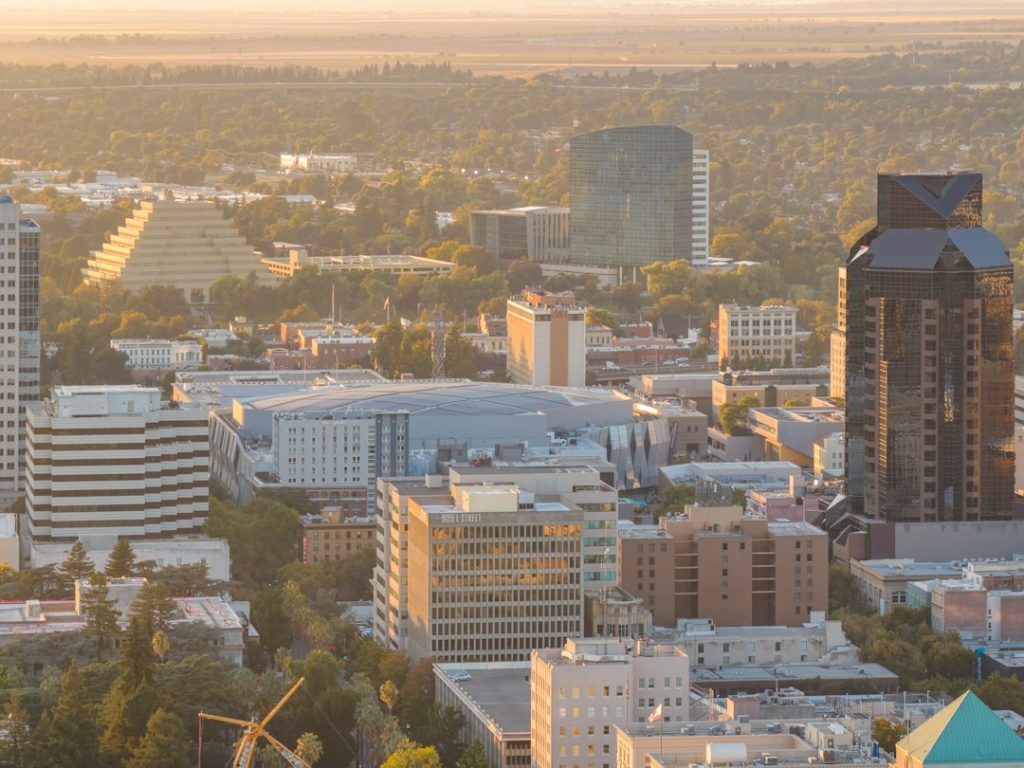
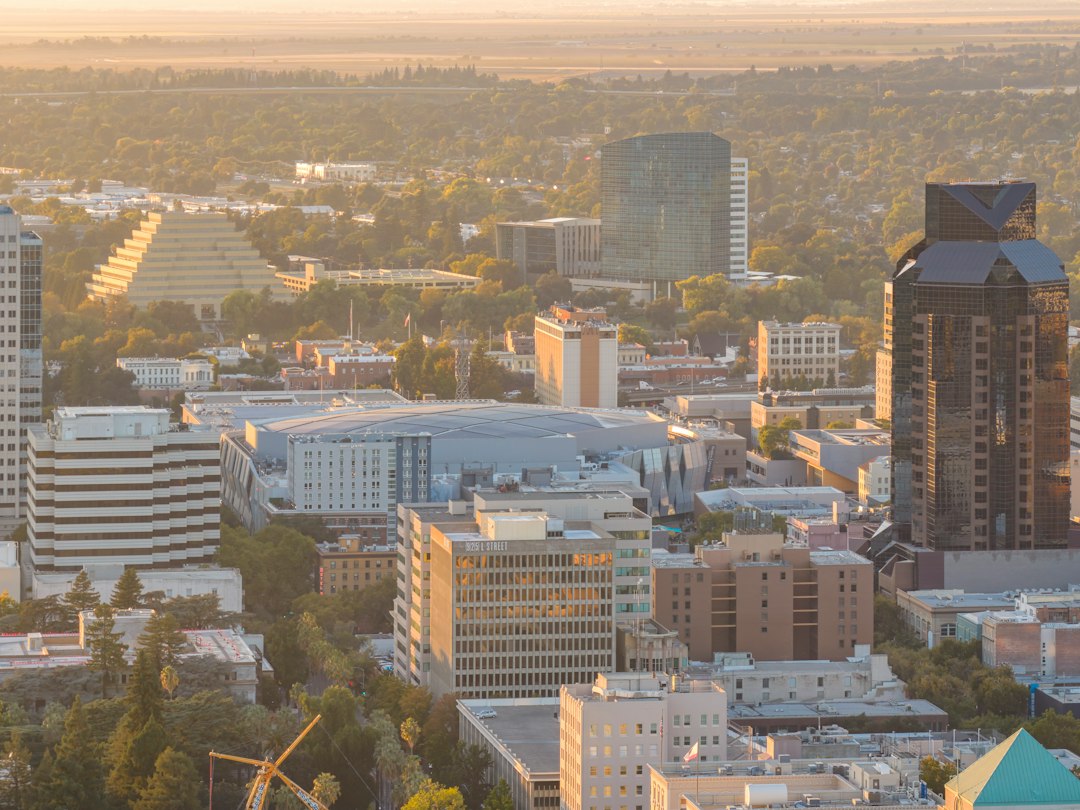
Sacramento holds a strategic position that few other California markets can match. Located just two hours from Silicon Valley and San Francisco, Sacramento is California’s sweet spot for IT services, serving as a strategic and cost-effective alternative to the expensive real estate in those tech industry hubs.
The utility situation is particularly compelling. Sacramento electricity remains relatively affordable, with SMUD’s projected 2025 system average at 17.28¢/kWh, while its average rate for large commercial users above 1,000 kW is 12.75¢/kWh. Compare that to San Diego’s SDG&E rate, which stands at 35.6 cents per kWh – above California’s average of about 31.5 cents per kWh and well above the U.S. retail average of 18.2 cents per kWh in the first half of 2025. If you are moving from a Bay Area or San Diego facility, the power savings alone can justify the transition.
Power reliability matters as much as rate. In its 2024 reliability report, SMUD said it met customer energy supply needs 100% of the time, and 98.7% of distribution circuits met reliability criteria. For any workload where uptime is measured by service-level agreements, that record matters. Build it into your vendor comparison checklist.
Connectivity and Infrastructure Depth
Sacramento boasts a thriving data center market with state-of-the-art facilities and robust internet connectivity. The Sacramento Municipal Utility District ensures reliable power supply, while carrier-neutral facilities guarantee seamless connectivity for IT operations.
The state government is expanding broadband infrastructure with a 10,000-mile broadband network designed to provide high-speed internet to residents and businesses within the city. Sacramento’s reliable network and fiber infrastructure, along with its excellent connectivity to major metropolitan areas, make it an ideal location for data centers that need fast, dependable internet connections.
Pro Tip: When evaluating a Sacramento colocation data center, always ask for the list of on-net carriers. A carrier-neutral facility with access to providers like AT&T, Cogent, Comcast, Verizon, and Zayo gives you genuine bandwidth competition and redundancy. A single-carrier facility leaves you exposed if that provider has an outage or raises rates.
Understanding Colocation Data Center Costs
What You Are Paying For
Colocation pricing covers the recurring cost of housing your servers and network equipment in a third-party data center, billed mainly across space, power, bandwidth, and support. Many organizations vastly underestimate colocation costs until they draw the bottom line and learn about setup fees, rack space, network connectivity, power consumption, and disaster recovery.
At the market level, CBRE reported average asking rates of $196.25 per kW per month for 250 kW to 500 kW requirements in H2 2025, up 6.6% year over year. Smaller single-server deployments often range from $50 to $300 per unit per month depending on market, power, and network. The Sacramento market sits below Bay Area pricing, making it one of the more accessible colocation markets in California for mid-market businesses.
Vacancy in primary North American colocation markets declined to a record low of 1.4% at year-end 2025, and pricing is increasingly being driven by available power capacity rather than physical floor space. This means that waiting to secure capacity is increasingly costly. If you are budgeting for a move in the next 12 months, start conversations now.
Colocation vs. Data Center as a Service
These two models are often confused. Data Center as a Service (DCaaS) and colocation both deliver a crucial advantage: enabling organizations to deploy critical infrastructure without the burden of managing physical data center facilities, but they do so in different ways and serve distinct use cases.
Data center as a service differs from traditional colocation because it offers a fully managed solution where providers handle maintenance, security, and uptime management. This model suits companies that need dedicated infrastructure but lack the resources or expertise to run their own data center.
With traditional colocation, you lease space in a third-party data center. That third party provides the building, cooling, power, bandwidth, and physical security while you provide your own servers and storage hardware. You typically lease space by the rack, cabinet, cage, or room. The distinction matters for compliance: with colocation, your organization takes full responsibility for securing and managing the hardware you place in the facility, while in the cloud, compliance is shared between your internal team and the cloud platform.
Data Center Security: Layers That Cannot Be Skipped
What Is Data Center Security?
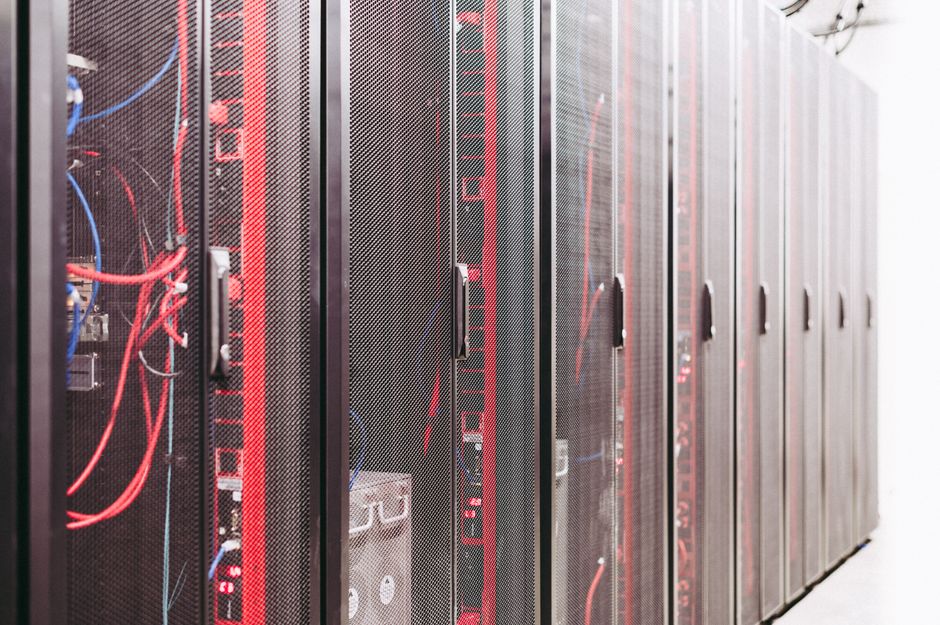
Data center security combines physical, technical, and administrative controls that protect the facility, its hardware, and the data it carries. Data center physical security relies on multiple layers of protection around the facility, critical equipment, and restricted areas. A strong strategy combines perimeter security, controlled physical access, video surveillance, intrusion detection, environmental monitoring, and clear security policies to prevent, detect, and investigate unauthorized activity.
The Four Layers of Physical Security
The four layers of data center physical security are: perimeter security (including high-resolution video surveillance, motion-activated security lighting, and fiber-optic cables to detect and deter unauthorized entry); facility controls (using access control systems with card swipes or biometrics, along with video analytics to prevent tailgating); computer room controls (diverse verification methods such as turnstiles, biometric access control devices, and radio frequency identification); and cabinet controls (locking mechanisms on server cabinets to protect against insider threats).
Facility security is evolving from labor-heavy, reactive protection to a unified, AI-driven defense-in-depth model. As data centers scale, centralized command layers converge video, access, and sensors; AI analytics move operations from detecting events to anticipating intent; and biometrics strengthen identity assurance, particularly in shared or high-risk environments.
Pro Tip: When touring a potential colocation facility, walk through each layer yourself. Ask specifically how tailgating is prevented at facility entry, how cabinet-level access is logged, and whether access logs are available to you as the customer. If a provider cannot answer these questions in writing, that is a red flag.
Cybersecurity Threat Context
The cybersecurity picture reinforces why physical and network security both matter. Verizon’s 2025 DBIR reviewed 22,052 security incidents and 12,195 confirmed data breaches, found ransomware in 44% of breaches (up from 32%), and reported the human element in about 60% of breaches, while third-party involvement rose from 15% to 30%. That third-party involvement figure is directly relevant to data center selection: the security posture of your colocation provider is now part of your own risk profile.
Nearly all data breaches (95%) are estimated to be caused by human error, such as poor cyber hygiene and falling for phishing attacks. This means a secure data center is necessary but not sufficient. Your provider’s physical controls reduce one risk category; your internal access governance reduces another. Both must be addressed.
Compliance: SOC 2 and HIPAA in a California Data Center
Why SOC 2 Type II Matters
For data centers, trust is a growth strategy. System and Organization Controls (SOC) compliance has emerged as a front-line differentiator. A SOC report is more than a security audit; it signals to clients, investors, and regulators that your operations are disciplined, scalable, and built to last.
The Service Organization Control (SOC) framework determines whether a service organization’s internal controls and practices effectively safeguard the privacy and security of its customer and client data. There are two report types that matter most: SOC 2 Type I verifies that controls are designed correctly; SOC 2 Type II verifies that those controls actually operated effectively over a period of time, typically six to twelve months. SOC 2 Type II compliance confirms the design and operating effectiveness of security, availability, and other trust criteria over time. Always ask for the Type II report, not just the Type I.
Failure to comply with key regulations can lead to significant fines and legal ramifications. Penalties can vary based on the seriousness of the violation and the industry, sometimes exceeding $1 million.
HIPAA Data Center Requirements for Healthcare Organizations
Healthcare organizations face a specific and demanding layer of compliance on top of general data center security requirements. Data center HIPAA compliance ensures the confidentiality, integrity, and availability of Protected Health Information (PHI) stored, processed, or transmitted in facilities and cloud platforms. If a data center stores, processes, or can reasonably access ePHI, it functions as a Business Associate and must execute Business Associate Agreements (BAAs) that define shared responsibilities. HIPAA’s core rules relevant to data centers are the Privacy Rule, Security Rule (administrative, physical, and technical safeguards), and Breach Notification Rule (timely incident reporting).
The financial stakes for non-compliance are significant. Penalties for noncompliance can range from monetary fines to criminal charges depending on the severity and circumstances. The Office for Civil Rights (OCR) can impose penalties ranging from $1,307 to $68,928 per violation, with a maximum annual penalty of $2,067,813. A single under-reported incident can carry a penalty larger than a full year of colocation costs. Therefore, if you work in healthcare or handle any patient data, your data center must carry current HIPAA attestation and be willing to sign a BAA.
There is no formal “HIPAA certification”; HHS does not certify organizations as HIPAA-compliant, but third-party assessments validating HIPAA-aligned controls provide meaningful assurance. SOC 2 Type II reports are particularly valuable in healthcare environments, as these assessments evaluate controls over security, availability, processing integrity, confidentiality, and privacy, all directly relevant to PHI protection.
Pro Tip: Before signing with any colocation data center, request both a copy of their most recent SOC 2 Type II report and written confirmation that they will execute a HIPAA Business Associate Agreement. If either item takes more than a week to produce, consider that a signal about the provider’s compliance maturity.

How Datacate Serves the Sacramento Market
For businesses looking for a local partner in the Sacramento region, Datacate operates a purpose-built facility in Rancho Cordova. The Sacramento-area facility is purpose-built to provide a secure, efficient, and high-performance environment for data infrastructure that meets demanding industry standards, with scalable colocation solutions from individual server racks to dedicated private cages and suites.
HIPAA, SOC 2 Type II, SOC 3, and CSA STAR compliance certifications ensure a compliant, secure environment for all data and service types. Together, these certifications cover the full compliance stack most California businesses and healthcare organizations require.
Datacate’s size gives it a distinct advantage in providing customers with the best level of service. Unlike large warehouse-style data centers, Datacate can cater to client needs on a much more personal level. For mid-market businesses that want compliance credentials without being treated like a small line item in a massive enterprise contract, that service model carries real value.
Dedicated Internet Access and Blended Bandwidth connectivity options range from 100Mbps to 10Gbps, providing reliable and scalable network performance. Combined with 24/7 staffing, battery and generator power backup, and a fully climate-controlled environment, Datacate’s Rancho Cordova colocation services cover the infrastructure fundamentals that businesses require from day one.
Common Mistakes When Choosing a Sacramento Data Center
Focusing Only on Rack Rate, Not Total Cost
The rack rate is rarely the full story. Server colocation pricing is not fixed and varies based on many factors. Space, power requirements, and bandwidth needs can grow significantly as demand increases, and you add services. Always request a total cost of ownership model that includes power draw, bandwidth overages, remote hands fees, and any setup charges. A facility with a low advertised rate that charges per ampere for remote hands can end up costing more than a slightly higher base rate with inclusive support.
Skipping the Compliance Verification Step
Many businesses evaluate colocation providers on price and location but never actually verify compliance certificates. Data centers have to meet strict security requirements to comply with HIPAA. Independent audits simplify the complexity of meeting the rules by determining whether HIPAA-compliant safeguards are implemented. Audits and consultation can help validate a system’s compliance, whether it is your own or that of a third-party hosting provider. Request the actual audit report, not just a marketing page that claims compliance.
Underestimating the Value of Proximity
A data center 200 miles away feels fine until you need to swap hardware, respond to an incident, or onboard a new team member who needs physical access. Sacramento International Airport provides direct flights from major U.S. cities, with facilities typically 15-25 minutes away. Local access is a practical advantage that compounds over a contract’s life.
Frequently Asked Questions
What is a colocation data center and how does it differ from cloud hosting?
Colocation is a service where businesses rent space in third-party data centers to house their own servers and IT infrastructure, allowing companies to maintain control over their hardware while leveraging the benefits of a professionally managed data center facility. In cloud hosting, the provider owns the underlying hardware, and you pay for compute capacity. Colocation gives you more control over performance, security configuration, and compliance documentation, which is why regulated industries often prefer it.
What does SOC 2 Type II compliance mean for a data center?
SOC 2 stands for “System and Organization Controls 2.” A SOC 2 report assures customers, partners, and other stakeholders that an organization’s service and data security controls are adequately designed and operating effectively. The American Institute of Certified Public Accountants (AICPA) designed this auditing procedure to ensure service providers manage data securely. Type II is more rigorous because it tests actual operating effectiveness over a defined period, not just design intent.
What HIPAA requirements must a data center meet for healthcare clients?
A HIPAA-compliant data center should do more than provide rack space and uptime. It should support the safeguards needed to protect electronic protected health information (ePHI), including physical protections, access controls, monitoring, resiliency, and documented security processes. Under the HIPAA Security Rule, covered entities and business associates must implement administrative, physical, and technical safeguards to protect ePHI. The facility must also be willing to execute a Business Associate Agreement.
Why is Sacramento a smart alternative to Bay Area data centers for California businesses?
Sacramento’s colocation facilities offer enterprise-grade reliability at lower cost and with less complexity than mega-markets. The region’s stable power grid, minimal natural disaster risk, and proximity to major California markets make it an increasingly attractive option for disaster recovery, backup sites, and primary infrastructure deployment. Lower power costs through SMUD, reduced seismic risk, and growing fiber density make the market particularly compelling for Northern California businesses.
What is data center as a service and when should I consider it over traditional colocation?
Data Center as a Service is a solution where businesses lease data center resources instead of building and managing their own facilities. DCaaS provides access to physical infrastructure, like servers, networking equipment, power, and cooling, relieving organizations of the burden of investing in hardware. Unlike traditional colocation, it offers a fully managed solution where providers handle maintenance, security, and uptime management. Consider DCaaS if your team lacks in-house expertise to manage colocated hardware. Choose traditional colocation if you need precise control over your hardware environment or have compliance requirements that demand documented configuration management.
Conclusion
Sacramento’s data center market has quietly become one of the most practical infrastructure choices available to California businesses. Lower power costs, seismic stability, growing fiber connectivity, and a healthy ecosystem of compliance-certified providers combine to make a compelling case that is hard to replicate in more expensive coastal markets. For businesses in healthcare, finance, technology, or any industry where data security and compliance are baseline requirements, choosing a local Sacramento data center is less a leap of faith and more straightforward risk reduction.
In my experience, the businesses that regret their data center decisions are almost always the ones that optimized for the lowest rack rate rather than the total cost of compliance, connectivity, and service quality. If you want infrastructure that supports your growth rather than constraining it, start with a provider with the certifications, local presence, and service model to scale alongside you.
Datacate offers a starting point worth exploring for Sacramento-area businesses that want SOC 2 Type II, HIPAA, and SOC 3 compliance in a facility that still picks up the phone.
Sources
- IBM Cost of a Data Breach Report 2025, Bright Defense. Data breach cost and AI security statistics. https://www.brightdefense.com/resources/data-breach-statistics/
- Sacramento as a Data Center Location, GoArmstrong. Location analysis and business environment. https://www.goarmstrong.com/resources/sacramento-data-center-site/
- Sacramento Data Centers Overview, Fortis Telecom. Rancho Cordova facility details and seismic profile. https://fortistelecom.net/sacramento-area/data-centers/
- California Colocation Guide, Brightlio. Power rates, SMUD reliability, market data. https://brightlio.com/california-data-centers-brightlios-ultimate-guide-to-colocation-in-the-golden-state/
- Sacramento Data Center Market, 515 Engine. Colocation facility and connectivity analysis. https://515engine.com/data-centers/sacramento-ca-colocation/
- Colocation Data Center Pricing 2026, Brightlio. Rack rates, per-kW pricing, and market trends. https://brightlio.com/colocation-pricing/
- Colocation Pricing Guide 2026, ENCOR Advisors. Vacancy rates, cost drivers, and total cost of ownership. https://encoradvisors.com/data-center-colocation-pricing/
- Data Center Colocation Market Forecast 2025-2034, Business Wire / Research and Markets. Global market size and CAGR. https://www.researchandmarkets.com/report/colocation-center
- HIPAA Compliant Data Center Requirements, HIPAA Vault. Physical and technical safeguards explained. https://www.hipaavault.com/resources/hipaa-compliant-data-center/
- HIPAA Compliant Data Center: Key Requirements, Accountable HQ. BAA obligations, compliance framework. https://www.accountablehq.com/post/hipaa-compliant-data-center-what-it-is-key-requirements-and-how-to-choose-a-provider
- What Makes a Data Center HIPAA Compliant, HIPAA Times. OCR penalty ranges and enforcement. https://hipaatimes.com/what-makes-a-data-center-hipaa-compliant
- Healthcare Data Center HIPAA Compliance, Netrality. SOC 2 Type II in healthcare colocation. https://netrality.com/blog/healthcare-data-center-hipaa-compliance-phi-security/
- SOC 2 for Data Center Compliance, Plante Moran. Trust signals and competitive differentiation. https://www.plantemoran.com/explore-our-thinking/insight/2025/09/soc-2-for-data-center-compliance
- SOC 2 Data Center Standards, ZenGRC. Compliance framework overview. https://www.zengrc.com/blog/soc-2-data-center-standards-for-compliance-explained/
- SOC 2 Guide for Data Centers, Linford & Co. SOC 2 audit process and AICPA standards. https://linfordco.com/blog/soc-data-center/
- Data Center Physical Security Guide 2025, ENCOR Advisors. Four security layers, best practices. https://encoradvisors.com/data-center-physical-security/
- Data Centers Integrate Cyber and Physical Security 2025, Data Center Knowledge. AI-driven security trends. https://www.datacenterknowledge.com/security-and-risk-management/data-centers-integrate-cyber-and-physical-security-in-2025
- Physical Security Best Practices, Turn-Key Technologies. CISA guidance and layered strategy. https://www.turn-keytechnologies.com/blog/data-center-physical-security-layered-strategy
- Data Breach Statistics 2026, Huntress. Verizon DBIR analysis, human element data. https://www.huntress.com/blog/data-breach-statistics
- Verizon 2025 DBIR Summary, Bright Defense. Ransomware, third-party, and AI breach statistics. https://www.brightdefense.com/resources/data-breach-statistics/
- Datacate Colocation Services, Datacate, Inc. Rancho Cordova facility, certifications, connectivity. https://www.datacate.net/colocation/
- Datacate Rancho Cordova Facility, Datacate, Inc. Facility specifications, compliance certifications, scalability. https://www.datacate.net/gcdc-facility/
- Rancho Cordova as a Data Center Hub, Datacate, Inc. SMUD power cost analysis, market context. https://www.datacate.net/data-center-rancho-cordova/
- DCaaS vs. Colocation: Key Differences, Data Center Knowledge. Model comparison and use cases. https://www.datacenterknowledge.com/colocation/data-center-as-a-service-vs-colocation-key-similarities-and-differences
- Colocation vs. Data Center Ownership, ENCOR Advisors. Control, cost, and compliance tradeoffs. https://encoradvisors.com/colocation-vs-data-center/