Every year, millions of hard drives are retired, donated, resold, or sent to recycling bins, often with sensitive data still intact. Most people assume that deleting files or formatting a drive wipes the slate clean. In reality, formatting only creates a new file system structure while leaving existing data completely intact, and that information remains fully recoverable using basic recovery software available to anyone with an internet connection. That gap between assumption and reality is where identity theft happens, regulatory violations occur, and brand reputations are destroyed overnight.
According to IBM’s 2025 Cost of a Data Breach Report, the average cost of a data breach in the United States reached $10.22 million, an all-time high and a 9% year-over-year increase. If you are a business owner, an IT manager, or simply someone replacing an old laptop, certified hard drive destruction is the only defense that completely closes this gap. The good news is that it is straightforward, affordable, and well within reach for organizations of every size.
Key Takeaways
- Deletion does not equal destruction: File deletion only removes the directory entry; the actual data sits untouched on the drive until that sector gets reused by new files. Physical or certified logical destruction is the only reliable solution.
- The financial stakes are enormous: Morgan Stanley was fined $60 million for failing to properly decommission data center equipment. The firm’s vendor resold servers and hard drives containing unencrypted client data, a failure that could have been prevented entirely with certified data destruction.
- Forty percent of secondhand drives still hold recoverable PII: A landmark NAID study found that 40% of secondhand devices, including hard drives, phones, and tablets, contained recoverable personally identifiable information, underscoring the inadequacy of uncertified destruction methods. If you are buying or disposing of used hardware, act accordingly.
- NIST SP 800-88 and NAID AAA are your benchmarks: NIST 800-88 is mandatory for federal agencies under FISMA and required for defense contractors handling Controlled Unclassified Information. It has also been adopted as the industry standard by HIPAA, PCI-DSS, SOX, and other regulatory frameworks.
- The market is exploding for a reason: The data destruction services market will grow from $10.18 billion in 2024 to $11.93 billion in 2025 at a CAGR of 17.2%, driven by increasing data generation, professional certification programs, and a surge in identity theft incidents.
Quick-Start Prioritization Framework
| Strategy | Best For | Effort Level | Time to Results |
|---|---|---|---|
| Certified physical shredding | Any organization with sensitive data, such as healthcare or finance | Low | Immediate |
| On-site mobile destruction | Regulated industries, classified data, high-volume decommissions | Medium | Same day |
| NIST 800-88 logical erasure | IT teams are reusing or reselling functional hardware | Medium | Hours |
| Off-site certified ITAD | Small businesses, residential users, and bulk volume | Low | 1-3 days |
| Full chain-of-custody program | Enterprises with ongoing IT refresh cycles | High | Weeks (setup) |
Start here if you are:
- An individual or small business: off-site certified destruction with a NAID AAA provider is the fastest and most cost-effective path. Request a Certificate of Destruction before the drive leaves your hands.
- A healthcare, legal, or financial organization: on-site mobile shredding is the safest option. It eliminates transport risk and provides documented evidence for compliance audits.
- An enterprise running a data center refresh: build a full chain-of-custody ITAD program with a provider holding both NAID AAA and R2v3 certifications to cover data security and environmental compliance simultaneously.
Why “Deleted” Is Not the Same as “Destroyed”
The Data Recovery Problem Most People Miss
In reality, formatting only specialists can retrieve deleted files from hard drives in under 30 minutes. Businesses often believe they have properly wiped their drives, only to discover that sensitive information remains accessible to anyone with basic recovery tools. This is the scenario that turns a routine hardware refresh into a regulatory disaster.
Simply deleting files or reformatting drives does not remove data. Residual data, known as data remanence, can be recovered by attackers, exposing organizations to regulatory fines and reputational damage. Even a “Secure Erase” command can fail on damaged drives or miss hidden storage sectors on modern SSDs. The only guarantee is a certified process that follows verified, documented standards.
In Datacate’s experience, the organizations most at risk are the ones doing everything else right: strong passwords, encrypted networks, regular security training, and then throwing old laptops into a recycle bin without a second thought. The weakest link in your data security chain is often the endpoint that nobody thought to audit.
Pro Tip: Before any hardware leaves your building, confirm the device’s serial number is logged, the drive is physically separated from the chassis, and a certified vendor has been scheduled. This three-step habit takes five minutes and eliminates your single biggest data exposure window.
Real-World Consequences of Improper Disposal
In 2021, the HealthReach Community Health Centers breach exposed data from over 100,000 patients after a third-party vendor improperly disposed of hard drives. In 2022, Morgan Stanley Smith Barney was fined $35 million for failing to properly dispose of hard drives containing the personal information of approximately 15 million customers, some of which were sold without data removal.
These are not edge cases. Improper IT asset disposal creates vulnerabilities that hackers actively exploit, and sensitive data stays on forgotten hard drives long after the organization assumes it is gone. The action item here is direct: audit every decommissioned device your organization has generated in the past 24 months. If you cannot account for its data, escalate immediately.
What Certified Hard Drive Destruction Actually Involves
The Three Destruction Methods
Certified hard drive destruction covers three primary techniques, each matched to specific data sensitivity levels and hardware types.
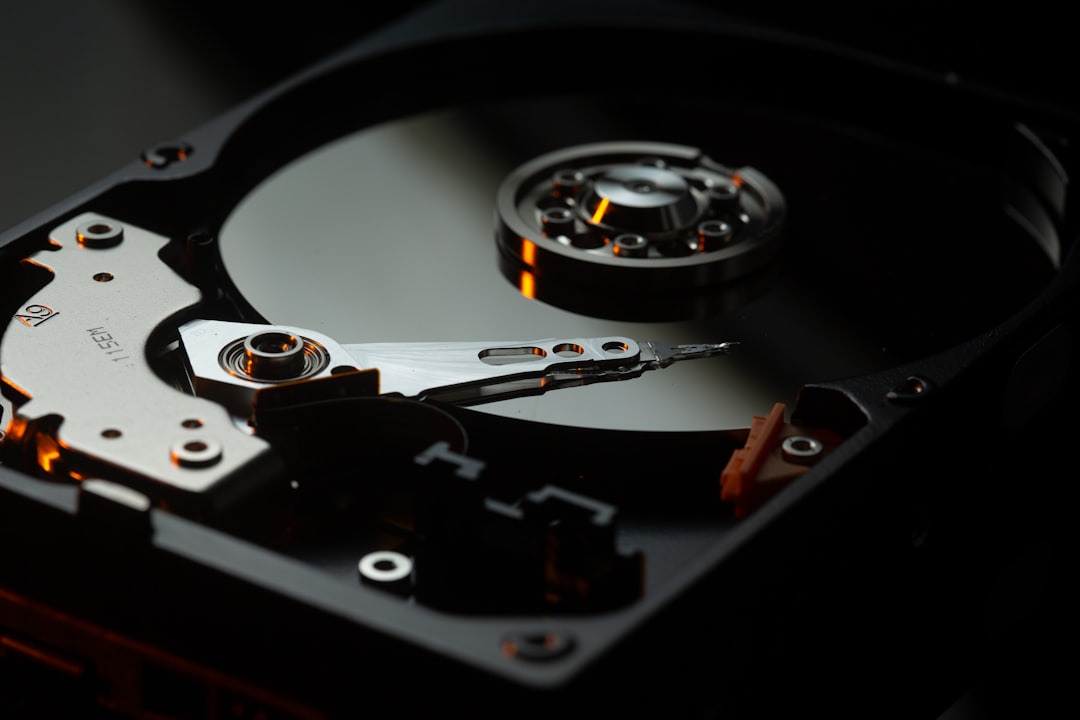
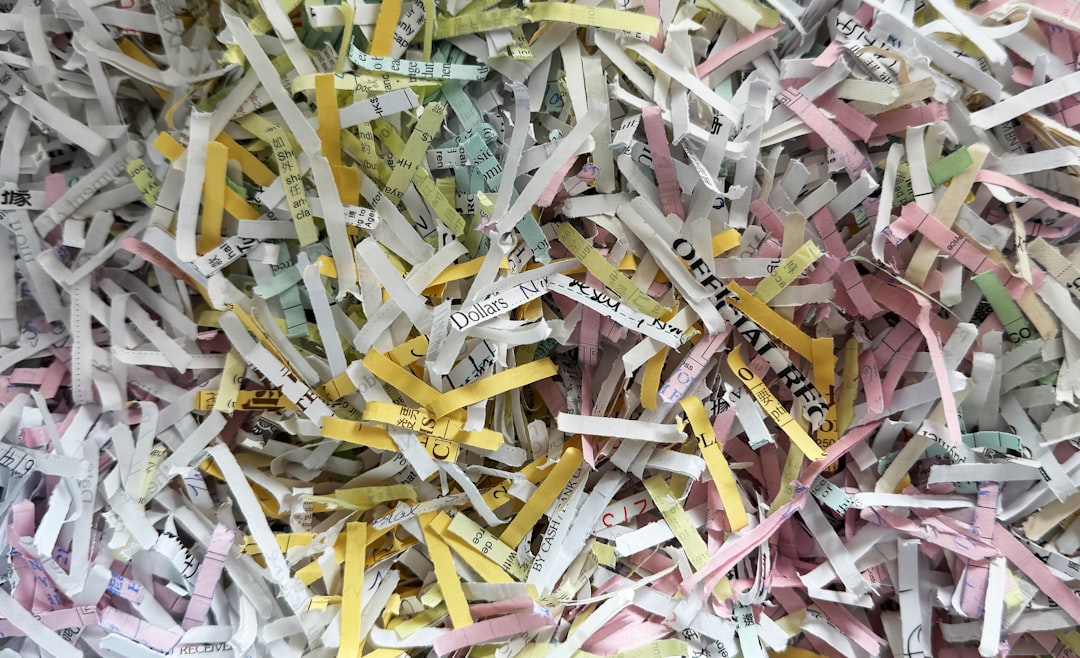
Physical shredding is the most visible and definitive method, reducing drives to particles no larger than 2mm. This approach satisfies even the most demanding regulatory requirements and leaves no pathway to data recovery. It is the mandated method for classified government information and the strongly recommended approach for healthcare and financial records.
Degaussing uses powerful magnetic fields to disrupt all magnetic storage domains on a drive. Degaussing is classified as a NIST 800-88 Purge method. However, it is ineffective on solid-state drives, which use electronic rather than magnetic storage. If your hardware fleet includes SSDs, and most modern fleets do, physical destruction is required for those devices even if degaussing handles the traditional HDDs.
Certified logical erasure uses software to overwrite every sector of a drive, including areas that standard deletion misses. For traditional hard disk drives, the ATA Secure Erase command instructs the drive’s firmware to overwrite every sector, including reallocated and reserved areas that standard overwriting tools cannot reach. This method is appropriate when the hardware will be reused or resold, preserving value while meeting compliance requirements.
The Certificate of Destruction: Your Legal Shield
A Certificate of Data Destruction (COD) is a formal document that provides verified proof that specific items, such as hard drives, servers, storage media, or other data-containing devices, have been securely and irreversibly destroyed. Unlike a basic deletion confirmation or a recycling receipt, a COD serves as tangible evidence that your sensitive data now exists beyond the reach of even the most determined recovery specialists.
This distinction matters because regulatory bodies and courts do not accept “we think we wiped it” as evidence of compliance. They require documentation that is specific, auditable, and tied to individual devices. A valid COD should include the device serial number, make, model, destruction method used, date, and the technician’s name and signature.
Pro Tip: Store your Certificates of Destruction in the same records system as your financial audit documents. Regulators treat them with equal weight, and you will want them immediately accessible if an investigation opens.
The Regulatory Landscape You Cannot Afford to Ignore
Federal and Industry-Specific Requirements
Across the United States, a complex patchwork of state laws, federal regulations, and industry standards governs how organizations must dispose of digital data at the end of its life. Failing to comply can result in severe financial penalties, regulatory action, and catastrophic data breaches.
The penalties are specific and steep. Under HIPAA, improper disposal of Protected Health Information can trigger penalties with annual maximums exceeding $2 million per violation category, per the updated 2025 penalty guidance. Sarbanes-Oxley holds executives personally liable with penalties reaching $5 million and potential 20-year imprisonment. For financial services firms, the Fair Credit Reporting Act allows penalties of up to $1,000 per affected consumer, and a single hard drive can contain hundreds of thousands of records, meaning one mistake could result in millions of dollars in fines.
As of 2025, 32 states have specific statutes requiring secure disposal of personal information, including digital data on IT assets. 18 states lack specific data disposal laws, but federal regulations and best practices still apply. In other words, there is nowhere in the United States where improper disposal carries no risk.
The NIST 800-88 Standard: What It Actually Requires
NIST Special Publication 800-88 is the technical standard issued by the National Institute of Standards and Technology for secure data destruction. It defines the approved methods, verification steps, and documentation requirements for permanently removing data from hard drives and other digital media. The standard serves as the foundation for multiple compliance programs.
The standard defines three tiers: Clear (logical overwriting for low-risk scenarios), Purge (advanced methods including degaussing and cryptographic erase), and Destroy (physical destruction through shredding, incineration, or pulverization). The Destroy method is the most thorough, rendering storage media completely unusable through physical destruction techniques including disintegration, pulverization, melting, incineration, or shredding.
I’ve found that organizations often ask which tier is right for them. The answer is straightforward: if the data would cause harm to any individual or the business if disclosed, physical destruction is the correct choice. Reserve logical erasure for hardware you plan to redeploy internally.
The Certification Standards That Separate Good Vendors from Great Ones
NAID AAA: The Benchmark for Vendor Selection
The i-SIGMA NAID AAA Certification sets the standard for secure information destruction through a rigorous audit program that includes both scheduled and unannounced reviews. Certification helps organizations meet key regulatory requirements and protect sensitive information. Organizations that handle highly confidential, regulated, or proprietary data, such as healthcare providers, financial institutions, law firms, and government agencies, may require a NAID AAA-certified data destruction vendor.
What makes NAID AAA meaningfully different from a vendor simply claiming compliance? While NIST SP 800-88 provides technical guidance for media sanitization, it does not require third-party audits or forensic verification. NAID AAA Certification builds on NIST by mandating double-blind forensic evaluations of destroyed media and audits of employee training, breach notification, and over 20 additional security controls.
NAID AAA certification requires unannounced audits; auditors can arrive at any time without notice, ensuring security protocols are consistently followed, not just during scheduled inspections. All employees who handle data-bearing equipment must also pass background checks to protect against insider threats. You can verify any vendor’s current certification status directly through the i-SIGMA NAID directory at isigmaonline.org.
Pro Tip: When interviewing a destruction vendor, ask for three things: their NAID AAA certificate number (if applicable to your use case), a sample Certificate of Destruction, and proof of general liability insurance. Any hesitation on any of these three items is a disqualifying signal.
Choosing a Provider: What to Look For
When evaluating a certified hard drive destruction provider, the credentials that matter most are:
- NAID AAA Certification ( for regulated industries: data security)
- R2v3 or e-Stewards Certification (environmental responsibility)
- NIST 800-88 compliance documentation
- A written chain-of-custody process from pickup to Certificate of Destruction
- Background-checked personnel and GPS-tracked transport vehicles
A vendor with only NAID AAA has proven their data security is top-tier, but that credential says nothing about downstream recycling practices. The absolute gold standard is a partner that holds both NAID AAA and an environmental certification such as R2, or works with downstream providers who are thus certified. For organizations in California or other states with strict e-waste legislation, the environmental certification is as legally relevant as the data security credential.
Providers like Datacate approach certified destruction as part of a broader IT asset lifecycle commitment, ensuring that every drive is tracked, destroyed to documented standards, and handled to keep clients audit-ready at every stage.
The Environmental Angle Most Organizations Overlook
Why Certified Destruction Is Also a Sustainability Decision
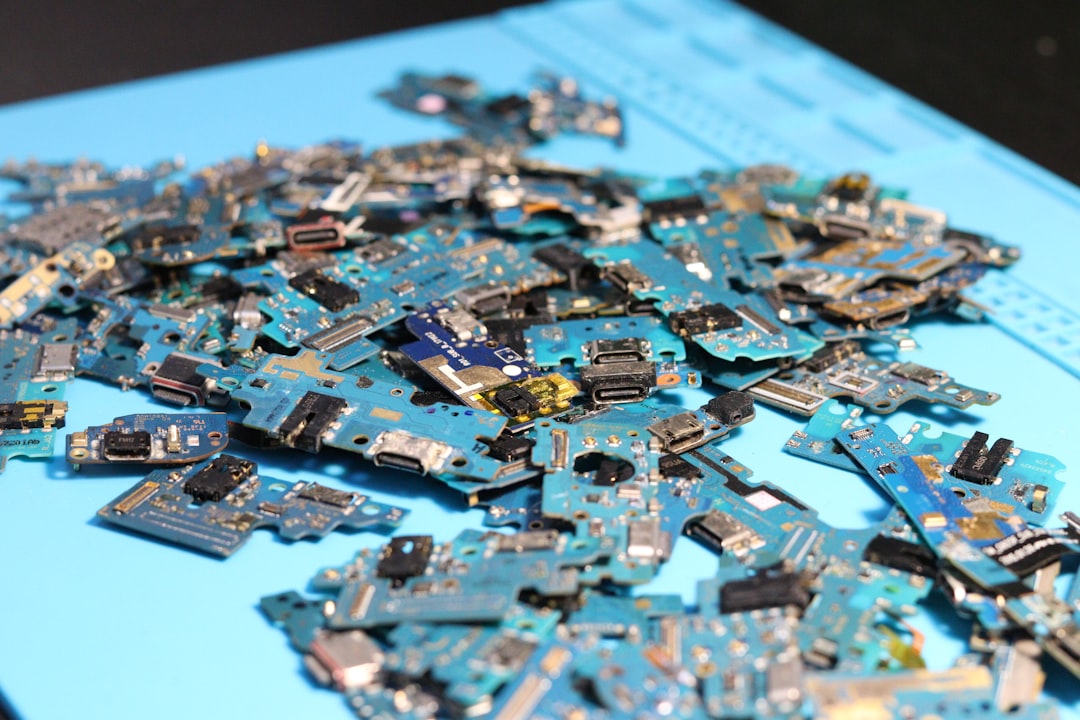
In 2022, the world generated 62 million metric tons of electronic waste, equal to 1.55 million garbage trucks filled with old electronics. That figure is projected to reach 65.3 million tonnes by the end of 2025 and 82 million tonnes by 2030. Hard drives are a significant contributor to that stream, and improper disposal compounds the problem.
Electronic devices contain valuable materials such as copper, gold, and silver that can be recovered through recycling. Certified shredding conserves and reuses these resources, reducing the need to mine and extract new materials. Electronic devices also contain hazardous materials such as lead, mercury, and cadmium that leach into soil and water supplies when discarded in standard landfills.
The recycling process saves energy compared to producing new materials from raw resources. Extracting metals like aluminum and copper from recycled hard drives consumes considerably less energy than mining and processing these metals from ore. This translates into lower greenhouse gas emissions, contributing to the fight against climate change.
After years of working with organizations on IT asset management, we’ve found that the environmental case often resonates most strongly with executives who are already committed to ESG reporting goals. A compliant vendor will provide documentation that supports both your data security compliance and your sustainability disclosures.
Common Mistakes That Undermine an Otherwise Sound Security Program
Mistakes That Leave You Exposed
The most frequent errors I see organizations make are also the most preventable:
- Assuming a drill through the drive casing is equivalent to certified destruction. Data can often be recovered from drives that appear damaged or erased; anyone with free forensic tools can extract files from an improperly destroyed device.
- Using a moving company or general recycler for IT disposal. The SEC fined Morgan Stanley $35 million for hiring a moving company with no experience in data destruction to decommission servers and hard drives. That company sold those servers and hard drives to a third party, and thousands were promptly resold on an online auction site containing sensitive, unencrypted information.
- Stockpiling retired drives in a storage room without a formal disposal schedule. Hoarding retired assets in a “junk room” increases the risk of insider theft. Drives sitting in an unlocked closet are a liability, not a convenience.
- Failing to track SSDs to the same standard as HDDs. SSDs store data on embedded memory chips, which require disintegration or advanced destruction methods. Standard degaussing does not work on them.
- Accepting a vendor’s verbal assurance without requesting the actual Certificate of Destruction. If you cannot produce a COD during an audit or investigation, your organization is exposed, regardless of whether the data was actually destroyed.
Frequently Asked Questions
What is a Certificate of Destruction, and do I legally need one?
A Certificate of Destruction is a formal document providing verified proof that specific devices, hard drives, servers, or other storage media have been securely and irreversibly destroyed. Whether you are legally required to obtain one depends on your industry. Under HIPAA, GLBA, FACTA, and SOX, you are required to document the secure disposal of covered data. Even if no specific regulation applies to you, a COD is your only defensible record in the event of a dispute or investigation.
Is formatting or factory resetting a hard drive enough to protect my data?
No. In reality, formatting affects only the system structure and leaves existing data intact. “Secure Erase” commands, while better than basic deletion, can fail or not work on damaged drives. The only method that provides an absolute guarantee is certified physical destruction or certified logical erasure performed under NIST 800-88 standards by a qualified provider.
What is the difference between on-site and off-site certified destruction?
The choice between on-site and off-site destruction depends on the organization’s specific needs and compliance requirements. On-site destruction offers unmatched security, while off-site destruction provides logistical advantages and cost savings. On-site mobile shredding eliminates transit risk entirely; the drive is destroyed before it leaves your premises. Off-site is appropriate for lower-sensitivity scenarios or bulk volumes where cost and convenience matter more than the need for witnessed destruction.
Does certified hard drive destruction also apply to SSDs and mobile devices?
NIST 800-88 covers all storage media, including hard disk drives, solid-state drives, magnetic tapes, optical media, USB drives, mobile devices, and embedded flash memory. Each media type has specific approved sanitization methods outlined in the NIST guidelines. For SSDs specifically, physical disintegration to sub-2mm particle sizes is the recommended destruction method, as degaussing is ineffective on flash-based storage.
The Bottom Line
Certified hard drive destruction is not a specialized concern for large enterprises or heavily regulated industries alone. Every organization that handles personal data, which is essentially every organization in operation today, carries a legal and ethical obligation to dispose of that data responsibly. The cost of a data breach is measured in millions; the cost of certified destruction is measured in fractions of that risk.
The action steps are clear: audit your retired hardware, engage only reputable vendors, demand a Certificate of Destruction for every device, and build certified disposal into your standard IT refresh cycle. If you are ready to implement a certified process, Datacate can guide you toward a solution that keeps your organization protected, compliant, and audit-ready.
Sources
- IBM Cost of a Data Breach Report 2025, IBM Security. Global breach cost data and U.S.-specific averages. https://www.ibm.com/reports/data-breach
- NIST Special Publication 800-88 Rev. 2, Guidelines for Media Sanitization, National Institute of Standards and Technology. The federal standard for media sanitization methods. https://csrc.nist.gov/pubs/sp/800/88/r1/final
- NAID AAA Certification Program; i-SIGMA. Certification requirements, vendor directory, and audit standards. https://isigmaonline.org/certifications/naid-aaa-certification/
- Guide to Certified Hard Drive Destruction, CJD E-Cycling. Methods, chain of custody, and regulatory requirements. In reality, formatting only
- Understanding Certificates of Data Destruction, Human-I-T. COD requirements, regulatory shields, and compliance documentation. https://www.human-i-t.org/understanding-certificates-of-data-destruction/
- What Is Data Destruction?, CyberCrunch. NIST methods, Morgan Stanley case, and U.S. breach cost data. https://ccrcyber.com/news/what-is-data-destruction
- Digital Data Destruction Regulations By State, DataDestruction.com. State-by-state regulatory guide with statute citations. https://datadestruction.com/compliance/state-laws/digital-data-destruction-regulations-by-state/
- NAID AAA Certification: What It Means and Why It Matters, DataDestruction.com. NAID vs. NIST comparison, forensic study data, and vendor selection guidance. https://datadestruction.com/naid-aaa-certification-what-it-means-and-why-it-matters/
- How Much Does a Data Breach Cost in 2025?, Evertrade Electronics. Breach cost breakdown, HIPAA penalty ranges, and improper disposal case studies. https://evertradeelectronics.com/blog/data-breach-cost-2025
- Improper IT Asset Disposal: Data and Reputation Risks, Corodata. Chain of custody requirements and Verizon DBIR data. https://corodata.com/blog/improper-it-asset-disposal
- On-Site Data Destruction Benefits, CyberCrunch. On-site vs. off-site comparison and regulated industry requirements. https://ccrcyber.com/news/onsite-data-destruction-benefits
- Environmental Impacts of Hard Drive Shredding, Augusta Data Storage. E-waste statistics, material recovery, and environmental benefits. https://www.augustadatastorage.com/the-environmental-impacts-of-hard-drive-shredding-and-e-waste-disposal/
- The Hidden Cost of Improper Data Destruction, Electronic Asset Security. HealthReach and Morgan Stanley case studies. https://electronicassetsecurity.com/hidden-cost-of-improper-data-destruction/
- NIST 800-88 Hard Drive Destruction, Marrs Recycling. NIST compliance requirements and environmental integration. https://www.marrsit.com/nist-800-88-hard-drive-destruction/
- Hard Drive Destruction Service Market Size, Dataintelo. Global market size, CAGR, and industry growth drivers. The global hard drive destruction service market is projected to grow from USD 1.65 billion in 2024 to USD 5.05 billion by 2035 at a CAGR of 10.7%, according to Spherical Insights & Consulting.