For years, the cloud promised to simplify everything. Migrate your workloads, pay only for what you use, and let someone else worry about the hardware. Many enterprises took that deal, and then watched their bills balloon, their application performance wobble, and their compliance teams ask increasingly uncomfortable questions. The initial euphoria of the cloud has been tempered by the harsh reality of eye-watering monthly bills, performance variability, and a surprising lack of control, sparking a significant “cloud repatriation” movement and a renaissance of bare metal as a deliberate, strategic choice for a growing number of workloads.
Bare metal cloud hosting sits at the intersection of raw dedicated hardware and cloud-style provisioning. This model delivers single-tenant physical servers with cloud-style operations; servers can be provisioned, reconfigured, or removed within minutes through management platforms, aligning well with automated deployment pipelines and operational workflows. For enterprises tired of fighting virtualization overhead and unpredictable costs, this architecture gives back the control that shared cloud environments quietly eroded.
The global bare metal cloud market was estimated at USD 11.66 billion in 2025 and is projected to reach USD 52.66 billion by 2033, growing at a CAGR of 21.4% from 2026 to 2033, according to The global bare metal cloud market. That is a market the industry is not treating as niche. If your organization is re-evaluating where workloads truly belong, read on.
Key Takeaways
- Cloud control erosion is real and measurable: Data from the end of 2024 showed that 86% of CIOs planned to move some public cloud workloads back to private cloud or on-premises, the highest on record for the Barclays CIO Survey. If you run predictable, performance-sensitive workloads and have not yet benchmarked them on bare metal, you are likely overpaying.
- The latency gap is not theoretical: Disk I/O latency on bare metal with NVMe drives runs 50-100 microseconds, while cloud VMs using network-attached storage typically see 200-500 microseconds, a 3-5x latency difference that directly impacts database query performance. If your database-driven applications show sluggish response times, this gap is the first place to investigate.
- Cost comparisons require honest math: An $800/month bare metal server often replaces $2,500/month in cloud spend. According to CloudTweaks, the difference comes from eliminating hypervisor overhead and avoiding noisy-neighbor capacity waste. Run the numbers on any workload that has run at consistent utilization for 12-plus months.
- Compliance is architecturally simpler on dedicated hardware: Bare metal simplifies compliance scope and reduces audit time because hardware isolation is inherent to the architecture, per SSL Insights. Organizations subject to HIPAA, PCI DSS, or SOC 2 requirements should factor this into their total cost of compliance, not just their monthly server bill.
- The hybrid model wins, not a binary choice: The smartest companies of 2025 are building a strategic, workload-optimized infrastructure that leverages the raw power and cost-efficiency of bare metal for its stable, performance-critical core, while harnessing the elasticity and agility of the cloud for its dynamic, variable-load periphery.
Quick-Start Prioritization Framework
| Workload Type | Best Fit | Effort Level | Time to Results |
|---|---|---|---|
| Always-on production databases | Bare metal cloud | Medium | Weeks |
| Compliance-regulated data (HIPAA/PCI) | Bare metal cloud | Medium-High | Weeks |
| AI training and HPC workloads | Bare metal cloud | Medium | Days |
| Bursty, unpredictable traffic | Public cloud VMs | Low | Days |
| Dev/test environments | Public cloud VMs | Low | Hours |
| Hybrid: stable core + elastic edges | Bare metal + cloud | High | Months |
Start here if you are:
- A growing SaaS company: Move your production databases and backend processing to bare metal first. SaaS providers operate highly predictable workloads that run continuously, and businesses often benefit significantly from dedicated infrastructure. When usage patterns stabilize, moving from public cloud to dedicated hardware can dramatically improve margins.
- In a regulated industry: Start with the single workload that creates the most audit complexity. With bare metal servers, enterprises achieve single-tenant isolation at the hardware level, tying workloads to a dedicated physical machine and eliminating the ambiguity of shared resource pools, which simplifies audit reporting and offers regulators confidence that workloads are not at risk of data bleed between tenants.
- An enterprise re-evaluating cloud spend: Run a workload cost analysis. According to the Flexera State of the Cloud report, the average repatriated workload saves 32% of its annual cloud infrastructure cost after accounting for hardware amortization, colocation fees, and operational overhead.
Why Enterprises Lost Control in the Cloud
The Shared Resource Problem
Most traditional cloud servers take the form of VMs, hosted on bare-metal servers that cloud providers manage, but users who purchase VM instances cannot access the underlying bare-metal hardware. That abstraction is where the loss of control begins.
The consequences are concrete. The “noisy neighbor” describes the situation where another tenant’s workload on the same physical server degrades your application’s performance, affecting more than just CPU, as hypervisors use memory balloon drivers to reclaim RAM from VMs when physical host memory is constrained. According to InMotion Hosting’s performance analysis, on a heavily loaded cloud host during peak hours, CPU steal time of 10-30% is not unusual, meaning your application receives only 70-90% of the CPU it believes it is using. If you are paying for a workload to run at full capacity and it is consistently performing at 80%, that gap requires action: either benchmark against bare metal or provision additional cloud instances to compensate, driving costs higher.
The Billing Complexity Trap
While the pay-as-you-go model is attractive for startups, it can become prohibitively expensive at scale; compute, storage, and especially data egress costs can quickly spiral out of control for a mature, high-traffic application, and the complexity of cloud billing with its thousands of SKUs makes cost prediction a nightmare. This is not a new observation, but the scale is still surprising enterprises. According to recent surveys, 84% of organizations cite managing costs as their biggest cloud challenge.
Pro Tip: Before benchmarking bare metal versus your current cloud spend, pull 90 days of cloud billing data and isolate your egress fees. According to industry data, egress charges typically represent 15-20% of total cloud spend and can translate into tens of thousands of dollars monthly for data-intensive enterprises. That number alone often justifies a serious TCO comparison.
Vendor Lock-In Compounds Over Time
Another challenge is how quickly vendor lock-in risks materialize at scale. Many organizations discover that exiting a cloud provider is harder than expected, not because of compute, but because of deeply embedded proprietary services. Databases, analytics engines, AI platforms, and identity services create tight coupling that raises both cost and risk. Bare metal cloud hosting, particularly when deployed through infrastructure providers without proprietary lock-in, restores architectural freedom. Your stack runs on standard hardware with standard software; the exit cost is migration effort, not egress penalties.
How Bare Metal Cloud Hosting Restores Control
Performance You Can Actually Count On
By removing the hypervisor, CPU, memory, storage, and network resources can be fully utilized without interference from other tenants. This ensures stable and predictable performance essential for critical workloads, and this architecture delivers consistently low latency and reliable throughput while avoiding the overhead and variability common in virtualized or shared environments.
The storage difference is particularly stark for database workloads. American Cloud’s 2026 infrastructure analysis found that disk I/O latency on bare metal with NVMe drives runs 50-100 microseconds versus 200-500 microseconds for cloud VMs using network-attached storage. For a production database fielding thousands of queries per minute, this translates directly to application response times your users feel.
Bare metal configurations with NVMe SSDs can achieve approximately 20 GB/s read/write throughput, vastly outpacing cloud networked storage limitations of around 1 GB/s maximum throughput, according to Hivelocity’s infrastructure comparison. If your storage-heavy workload is on cloud-attached storage today, move it to bare metal NVMe as a first step; the performance improvement is often immediate and significant.
Hardware-Level Security and Compliance
Bare metal cloud servers are physically isolated from other servers, providing the highest level of security as opposed to traditional cloud servers, which share the same hardware. For compliance purposes, this physical isolation is not just a performance benefit; it is a regulatory one.
Enterprises in healthcare finance, government, and e-commerce operate under strict regulatory frameworks that dictate how data must be stored, processed, and secured. Frameworks such as HIPAA, PCI DSS, FedRAMP, GDPR, and SOC 2 require auditable controls at the hardware, network, and application layers. Bare metal simplifies all three.
Dedicated hardware enables hardware security modules (HSMs) for cryptographic key management, a control that significantly strengthens security posture during assessments. Bare metal servers with direct-attached NVMe storage simplify encryption-at-rest implementations because you control the entire storage stack without virtualization layers that could expose unencrypted data in hypervisor memory.
Pro Tip: When scoping a PCI DSS or HIPAA compliance audit, ask your infrastructure provider specifically about physical network segmentation and single-tenant isolation documentation. According to SSL Insights, shared virtualized environments create overlapping audit scopes that complicate CDE definition and demand stronger segmentation documentation, bare metal removes that ambiguity by design.
Customization Without Restriction
Bare metal cloud servers offer tailor-made solutions suited to specific hosting needs; the single-tenant model gives customers total control over various aspects of the server, including choosing the operating system, applications, hardware resources (CPU cores, RAM, storage), and critical services such as DDoS protection and automated backups.
Every enterprise has unique infrastructure needs, and bare metal servers offer full flexibility to tailor systems accordingly. With full root access, IT teams can install any operating system, adjust kernel settings, and deploy specialized applications without restrictions. This matters for organizations running legacy applications, specialized databases, or workloads that require specific kernel configurations that a shared cloud environment will never permit.
Bare Metal vs Cloud: Matching Workloads to Infrastructure
In our experience, the most common mistake in infrastructure planning is treating “bare metal vs cloud” as an either/or question. The real question is which workloads belong where.
Workloads That Belong on Bare Metal
Unlike shared environments, businesses gain direct access to hardware resources on bare metal cloud, ensuring predictable performance and enhanced reliability. This makes the model especially attractive for workloads such as AI training, big data analytics, and high-frequency transactions.
TechTarget’s guide to bare metal cloud providers notes that AI training and HPC tasks particularly benefit from bare metal because the GPU and CPU resources are uncontested. Add to this list: production databases, real-time analytics, streaming platforms, financial transaction processing, and any application where your SLA requires sub-millisecond response times.
Workloads That Stay in the Cloud
Cloud computing excels in scalability, offering elastic resource management that can adjust in real-time based on demand. During a game launch or a special event, cloud platforms can allocate additional resources to handle increased load; once demand decreases, resources can be scaled back, optimizing costs. Development environments, staging servers, short-duration batch jobs, and frontend web tiers handling variable traffic are natural cloud candidates.
The Hybrid Architecture That Wins
Rather than choosing between cloud and dedicated servers, many organizations are adopting hybrid infrastructure models that combine the flexibility of cloud services with the efficiency of bare metal hardware. Hybrid deployments allow businesses to run scalable workloads in the cloud while hosting stable, high-volume applications on dedicated servers.
Pro Tip: A practical starting point for hybrid architecture is to place your database tier on bare metal and keep your application and presentation tiers in the cloud. This single architectural change captures most of the latency and cost benefits while preserving cloud elasticity where you actually need it.
Common Mistakes When Evaluating Bare Metal Cloud
Comparing List Price Instead of Total Cost of Performance
Bare metal can look expensive; a single server might cost $500 to $2,000 per month, which is more than a handful of cloud VMs. But cost-per-unit-of-performance tells a different story. We’ve found that teams who compare a single bare metal server against a single cloud VM are measuring the wrong thing. The relevant comparison is the cluster of oversized VMs you need to provision to match the consistent performance of one physical machine.
Ignoring Egress Fees in the Migration Math
Public cloud pricing is designed to be low-friction at the start but scales aggressively. The hidden killers are egress fees (the cost to move your data out of the cloud) and API request costs. These fees can make repatriation look more expensive than it is on paper. Factor egress costs into your upfront migration budget rather than discovering them mid-project.
Treating Provisioning Speed as a Deal-Breaker
A common objection to bare metal is that it takes longer to provision than a cloud VM. Today’s cloud server hosting platforms allow businesses to deploy a bare metal server in minutes, bridging the historical gap between agility and performance. Modern bare metal cloud providers, including those offering BMaaS (Bare Metal as a Service) models, have largely closed the provisioning gap that made dedicated hardware feel slow to deploy.
Frequently Asked Questions
What is bare metal cloud hosting, and how does it differ from regular cloud?
At its core, a bare metal cloud delivers single-tenant infrastructure where a bare metal server is provisioned on demand, without the overhead of virtualization. Unlike shared environments, businesses gain direct access to hardware resources, ensuring predictable performance and enhanced reliability. Regular cloud hosting places your workloads on virtual machines that share physical hardware with other customers. Bare metal removes that shared layer entirely.
Is bare metal cloud hosting significantly more expensive than public cloud?
The answer depends on your workload profile. If your workload runs continuously and requires predictable performance, bare metal dedicated wins on cost and performance. If your workload scales dramatically and unpredictably, cloud flexibility may justify the cost premium. If you are spending more than $300 per month on cloud compute for a stable workload, run the bare metal comparison. For workloads that run 24/7 at consistent utilization, bare metal nearly always wins on a per-unit-of-performance basis.
How does bare metal cloud hosting help with compliance requirements like HIPAA and PCI DSS?
Bare metal provides physical isolation with no hypervisor or shared hardware, which simplifies audit documentation and eliminates side-channel attack risks. According to Reqodata’s HIPAA compliance directory, this single-tenant architecture addresses the HIPAA Security Rule’s physical safeguard requirements more directly than multi-tenant cloud environments. Organizations subject to PCI DSS benefit because hardware isolation simplifies the Cardholder Data Environment scope definition that auditors require.
What types of enterprises benefit most from bare metal cloud hosting?
Businesses running high-traffic sites, AI/ML workloads, gaming, streaming, or sensitive regulated data environments are the strongest candidates, per ColoCrossing’s 2026 infrastructure guide. In practice, this translates to fintech firms processing high-frequency transactions, healthcare organizations managing ePHI, SaaS companies with large production database clusters, and any enterprise where application SLAs are tied to sub-millisecond latency.
Can bare metal cloud hosting work alongside an existing public cloud setup?
Within a hybrid mix, bare metal servers play a strategic role as a compliance anchor for sensitive workloads, while bare metal servers deployed in colocation facilities can directly connect to hyperscale clouds via low-latency interconnects, enabling secure hybrid architectures. Enterprises can run compliance-heavy workloads on bare metal while bursting non-sensitive workloads into the cloud for scalability. This hybrid model is the dominant architecture among enterprises that have completed infrastructure maturity reviews.
The Bottom Line: Control Is a Feature
The cloud unlocked enormous possibilities for enterprise IT over the past decade. Faster deployment, pay-as-you-go flexibility, and global reach are real advantages, for the right workloads. What the “cloud-first” era taught many organizations the hard way is that control is not a legacy concern. Cloud repatriation is no longer an exception; it is a selective optimization strategy, with CIOs and tech leaders reassessing workload placement as cloud costs, latency sensitivity, and regulatory pressure become clearer at scale.
Bare metal cloud hosting is the infrastructure response to that maturity. It delivers the raw performance, hardware isolation, compliance clarity, and cost predictability that shared cloud environments structurally cannot provide. For enterprises with databases running around the clock, regulatory obligations that require auditable hardware controls, or performance SLAs that demand consistent sub-millisecond response times, bare metal is not an alternative to the cloud. It is the foundation on which a smarter hybrid strategy is built.
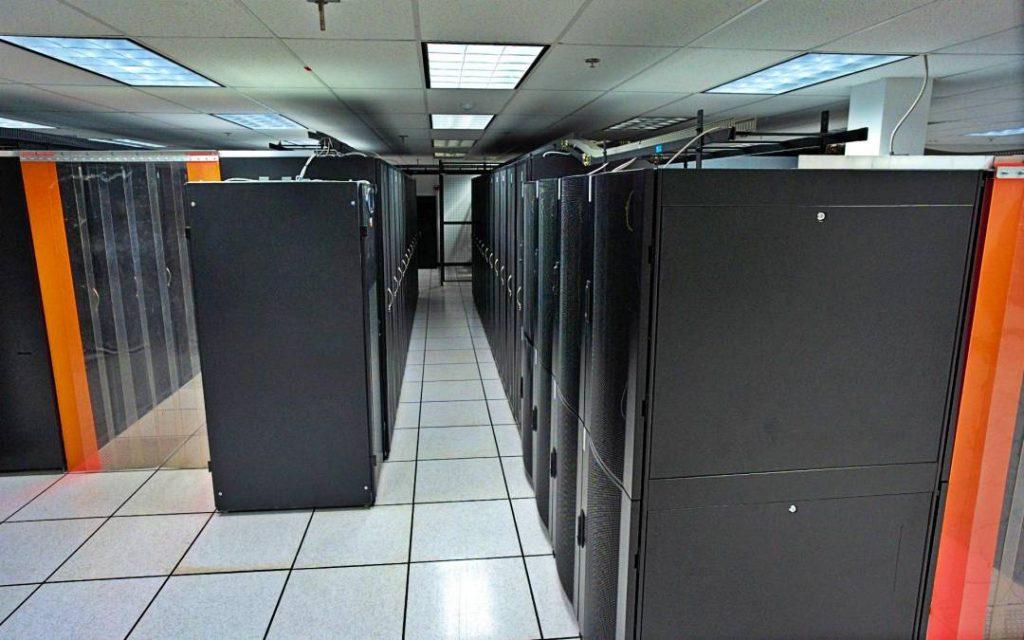
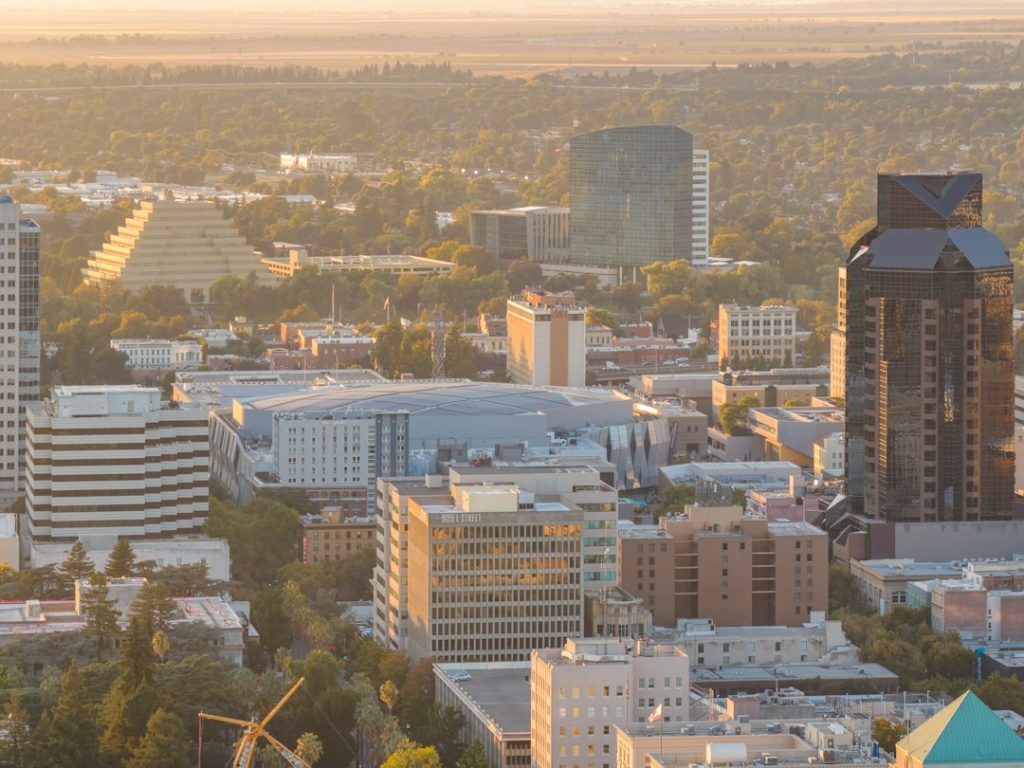
Datacate offers bare metal servers alongside colocation and cloud hosting services from its Sacramento-area data center in Rancho Cordova, California. The facility carries HIPAA, SOC 2 Type II, SOC 3, and CSA STAR compliance certifications, making it a practical starting point for enterprises in regulated industries evaluating their infrastructure options in Northern California.
Sources
- Bare Metal Cloud Market Size And Share Report, 2026-2033, Grand View Research. Market sizing and CAGR projections for the global bare metal cloud market. The global bare metal cloud market
- Best Bare Metal Hosting Providers for Business in 2026, Atlantic.Net. Overview of bare metal hosting models and deployment options. https://www.atlantic.net/dedicated-server-hosting/best-bare-metal-hosting-providers-2026/
- Bare Metal vs Cloud: Choosing Right in 2026, Unihost.com Blog. Analysis of cloud repatriation trends, billing challenges, and hybrid strategies. https://unihost.com/blog/bare-metal-vs-cloud-how-to-choose/
- What Is Bare Metal Hosting: A 2026 Technical Guide, CloudTweaks. Cost-per-performance analysis comparing bare metal and cloud VM pricing. https://cloudtweaks.com/bare-metal-hosting-2026-guide/
- Bare Metal vs Cloud in 2026: Performance, Cost, and When to Use Each, American Cloud. Benchmark data on disk I/O latency for bare metal versus cloud-attached storage. https://americancloud.com/blog/bare-metal-vs-cloud
- Bare Metal vs Cloud: How Bare Metal Servers Compare to Hyperscalers, Cherry Servers. Performance analysis of memory bandwidth, storage I/O, and networking. https://www.cherryservers.com/blog/bare-metal-vs-cloud
- Benefits of Bare Metal Cloud: Advantages and Use Cases Explained, Cherry Servers. Single-tenant model benefits for security and enterprise performance. https://www.cherryservers.com/blog/benefits-of-bare-metal-cloud-and-use-cases
- Bare Metal Performance vs. Cloud VMs: A Practical Comparison, InMotion Hosting. Analysis of CPU steal time, noisy neighbor effects, and workload decision criteria. https://www.inmotionhosting.com/blog/bare-metal-vs-cloud-performance/
- Cloud Repatriation in 2026: Why Enterprises Are Moving Back, HyScaler. CIO survey data, repatriation case studies, and cost-saving examples. https://hyscaler.com/insights/cloud-repatriation-the-strategic-shift-in-it/
- Recalibrating the Cloud: Cost, Control and the Real ROI of Repatriation, CTO Magazine. Analysis of vendor lock-in risks and hybrid operating model ROI. https://ctomagazine.com/roi-of-cloud-repatriation/
- Cloud Repatriation in 2025: Statistics, Who’s Leaving & Why Now, Puppet. Barclays CIO survey data and enterprise repatriation trends. Data from the end of 2024 showed
- Cloud Repatriation: Why Enterprises Move Back 2026, AgamiSoft. Flexera and Gartner data on workload savings and repatriation economics. https://www.agamisoft.com/cloud-repatriation-on-prem-migration-guide-2026
- Best Bare Metal Hosting for PCI Compliance in 2026, SSL Insights. PCI DSS compliance architecture requirements and bare metal audit advantages. https://sslinsights.com/best-bare-metal-hosting-pci-compliance/
- Bare Metal Servers: The CTO’s Secret Asset for Compliance-Heavy Workloads, Datacenters.com. Framework for compliance-aware hybrid infrastructure strategies. https://www.datacenters.com/news/bare-metal-servers-the-cto-s-secret-asset-for-compliance-heavy-workloads
- List of HIPAA-Compliant Bare Metal Hosted Private Cloud Providers, Reqodata. HIPAA Security Rule requirements and bare metal physical safeguard analysis. https://reqodata.com/en/hosted-private-cloud-bare-metal-providers-hipaa
- Bare Metal vs Cloud Validators: Latency, Slashing & ROI Explained, Hivelocity. NVMe throughput benchmarks for bare metal versus cloud networked storage. https://www.hivelocity.net/blog/bare-metal-vs-cloud-validators-latency-slashing-roi/
- Bare Metal Cloud Market Trends in High-Performance Computing Demand, Express Press Release / Research Insights. Market growth drivers and deployment trend analysis. https://express-press-release.net/news/2026/03/25/1743576
- Data Center Facility, Rancho Cordova, CA, Datacate, Inc. Facility certifications and infrastructure specifications. https://www.datacate.net/gcdc-facility/