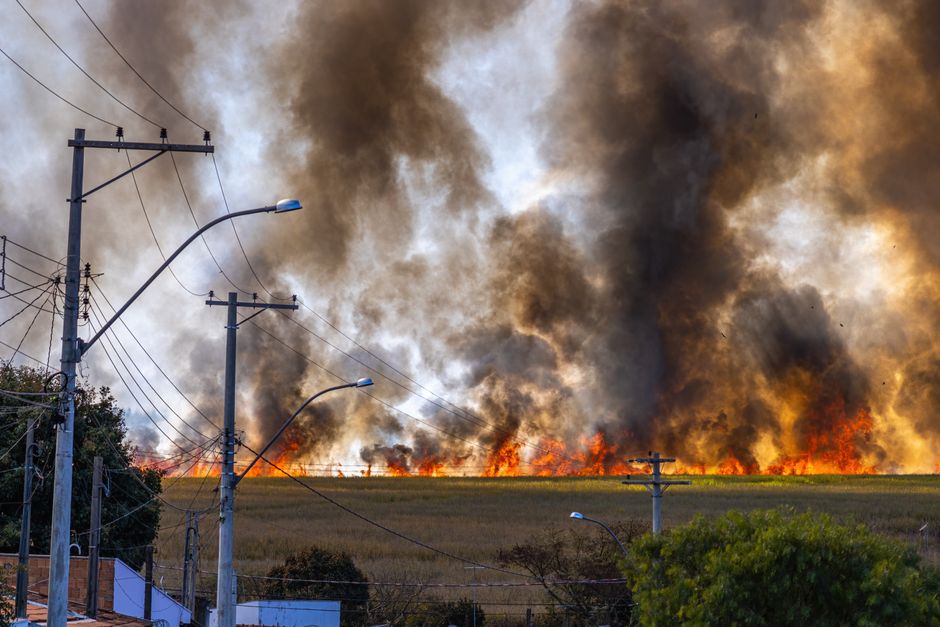
When you choose a hosting provider, you probably think about uptime guarantees, bandwidth, and price. Wildfire risk probably sits much further down the list, if it appears at all. That is a mistake worth correcting. A recent study found that 79% of global data center capacity sits in areas with elevated exposure to acute climate hazards, including severe wildfires that can disrupt operations, increase downtime, and drive insurance and repair costs. Therefore, if your business depends on reliable hosting, the physical location of your provider’s infrastructure deserves serious scrutiny.
This article explains how wildfire risk translates into real operational consequences, what to look for when evaluating a provider’s exposure, and what good risk mitigation actually looks like in practice.
Key Takeaways
- Wildfire exposure is already the norm, not the exception: Around 79% of global data center capacity is located in areas with elevated exposure to acute natural hazards such as flooding, tropical cyclones, and wildfires, while 54% is exposed to chronic heat and drought stress. Assume your provider is affected unless they can demonstrate otherwise.
- Fire is the costliest loss category: It drives data center loss severity, accounting for well over 50% of nearly $800 million in insurance industry claims analyzed by Allianz Commercial. That financial pressure eventually flows to tenants through price increases, coverage gaps, and reduced reinvestment in resilience.
- The financial stakes are enormous: Across 8,572 geocoded facilities totaling 90.8 gigawatts in 120 countries, climate risk erodes $388 billion in asset value, 38% of the total, according to the Across 8,572 geocoded facilities. So ask your provider how they price this risk into long-term infrastructure investment.
- Outages are expensive for your business too: In 2024, the average minute of downtime cost $14,056 for all organizations, and large enterprises averaged $23,750 per minute. Even a brief wildfire-induced power disruption can erase days of revenue.
- The risk extends beyond direct fire damage: Smoke infiltration, power shutoffs, and burned transmission lines each represent independent failure modes that well-run facilities plan for separately.
Quick-Start Prioritization Framework
| Strategy | Best For | Effort Level | Time to Results |
|---|---|---|---|
| Check provider’s geographic risk profile | All businesses | Low | Immediate |
| Review SLA language around “acts of nature” | SMBs and enterprises | Low | Days |
| Ask for wildfire-specific incident response plans | Mission-critical workloads | Medium | Weeks |
| Diversify across geographically separate facilities | High-availability applications | High | Months |
| Evaluate FEMA/USGS wildfire hazard maps for provider location | Technical teams, procurement | Low | Days |
Start here if you’re:
- A small business with basic hosting needs: Check the provider’s geographic risk tier first, fastest, lowest-cost action with immediate insight into exposure.
- A mid-market company with uptime requirements: Review SLA carve-outs and request wildfire incident response documentation before signing a contract.
- An enterprise running mission-critical workloads: Build geographic redundancy across at least two facilities in distinctly different fire-risk zones, and verify that your provider has tested failover under wildfire-like conditions.
Why Wildfire Risk to Data Centers Is Growing
Seasons Are Getting Longer and More Intense
While most wildfires in the United States occur from May to November, peaking in August, recent wildfire seasons have grown longer and more severe due to climate shifts. Wildfires outside of the fire season are becoming more common due to climate change and changing weather patterns, which means the traditional notion of a bounded “fire season” is dissolving. For data center operators and their customers, this extends the exposure window across the full calendar year.
Climate change is increasing the frequency and intensity of extreme wildfires fueled by the confluence of climate change, land use pattern alterations, human ignitions, and flammable fuel accumulation, posing significant and increasingly destructive risks to critical infrastructure. The practical result is that facilities that were once considered safely distant from fire-prone areas now face meaningful new exposure.
The Grid Itself Is a Vulnerability
One underappreciated risk vector runs through the power grid, not the flames themselves. The surge in energy demand from AI infrastructure is straining existing utility grids, which are vulnerable to wildfire ignition due to aging poles and overloaded lines. Data center energy consumption in the U.S. is projected to reach up to 580 TWh by 2028, significantly increasing load on aging utility infrastructure. If those lines ignite, or if a utility company executes a Public Safety Power Shutoff (PSPS) to prevent ignition, your data center goes dark no matter how fire-hardened the building is.
Wildfires can burn transmission lines, interrupting power to a facility. After a fire, burn-scar erosion can cause landslides that take out fiber cable, sometimes in multiple areas and, in doing so, thwart redundancies, as the Uptime Institute’s analysis of data centers and wildfires explains. This means even a distant wildfire can sever connectivity and power through a cascade of secondary effects.
Pro Tip: When evaluating a provider, ask specifically about their Public Safety Power Shutoff protocols. Reputable providers in high-risk zones maintain extensive backup generator fuel reserves and have pre-negotiated priority fuel delivery contracts precisely because PSPS events arrive with very little warning.
The Hidden Threat: Smoke, Ash, and Air Quality
How Wildfire Particulates Damage Infrastructure
A facility does not need to catch fire to suffer wildfire-related damage. Smoke and airborne ash are persistent, far-reaching threats to the mechanical and electronic components that keep servers running. The cooling system in almost every facility will be affected in some way. Condenser units for air conditioners, air-cooled chillers, or cooling towers are all susceptible to airborne ash, which can contaminate cooling-tower water or clog condenser coils. This reduces cooling capacity, and backup units may be similarly affected.
During episodic events like wildfire smoke, particles can spike rapidly and overload filters, which is why “business as usual” maintenance schedules can fail during smoke events. In practical terms, this means a facility that is operating normally under standard conditions can see its cooling effectiveness degrade significantly during a nearby wildfire, even if the facility itself is never threatened by direct fire.
Real-World Consequences for Uptime
A common operational reality is that data centers will shut down or isolate systems when smoke is detected, even if the event is external or localized, because the risk of continuing is too high. In 2019, Wells Fargo experienced a major outage after smoke was detected at a data center facility, and services were disrupted at scale. Fire did not cause that disruption. It was caused by air quality alone.
External environmental factors including wildfire smoke, industrial emissions, and seasonal pollen can affect data center air quality when outdoor contamination enters facilities through fresh air intakes or building infiltration, creating contamination risks that vary significantly by geographic location. Therefore, when you review a provider’s uptime track record, ask whether their historical figures include periods of significant regional wildfire smoke events; this data point is rarely volunteered.
What Good Wildfire Risk Management Looks Like
Site Selection as the First Line of Defense
The most effective wildfire risk management starts long before a fire season arrives. A key element of any data center site selection strategy is the environmental risk assessment. Starting with FEMA floodplain maps, seismic activity zones, and wildfire risk assessments establishes the baseline exposure of any candidate site. As Giga Energy’s site selection guide notes, you can engineer around certain risks, but you cannot engineer around geography.
XDI, a climate risk research firm, reviewed plans for about 2,600 data centers under development globally and found that more than 150 are slated for high-risk sites, with North America accounting for more than 70 of them. Because a data center’s operational lifespan commonly stretches two to three decades, today’s location choices will shape financial exposure well into mid-century.
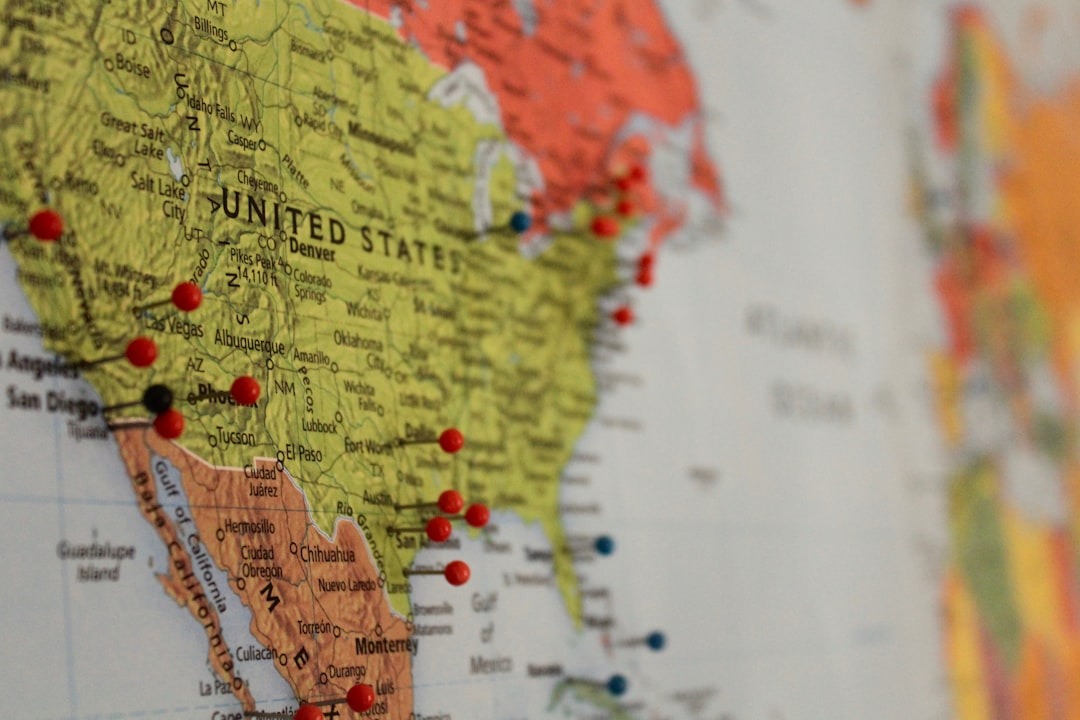
The actionable implication: when choosing a hosting provider, ask where their primary and backup facilities are located, then cross-reference those locations against the USFS Wildfire Hazard Potential map and FEMA’s National Risk Index before signing any long-term contract.
Physical Hardening and Operational Protocols
For assets located in the highest-risk wildfire zones, providers should maintain a defensible perimeter around the facility. Identifying adjacent high-risk parcels, such as areas with dense dry brush, and coordinating with property owners and local government to reduce risk is a recognized best practice. Per Cushman & Wakefield’s natural disaster readiness guide, this coordination extends beyond the facility’s fence line.
Periodic evaluation of environmental threats to data centers, including wildfires, flooding, high winds, and drought, as part of threat and risk assessments, with clear mitigation strategies and business protections, is standard practice among serious operators. Providers who cannot produce documentation of this process on request should be treated as carrying an unquantified risk premium.
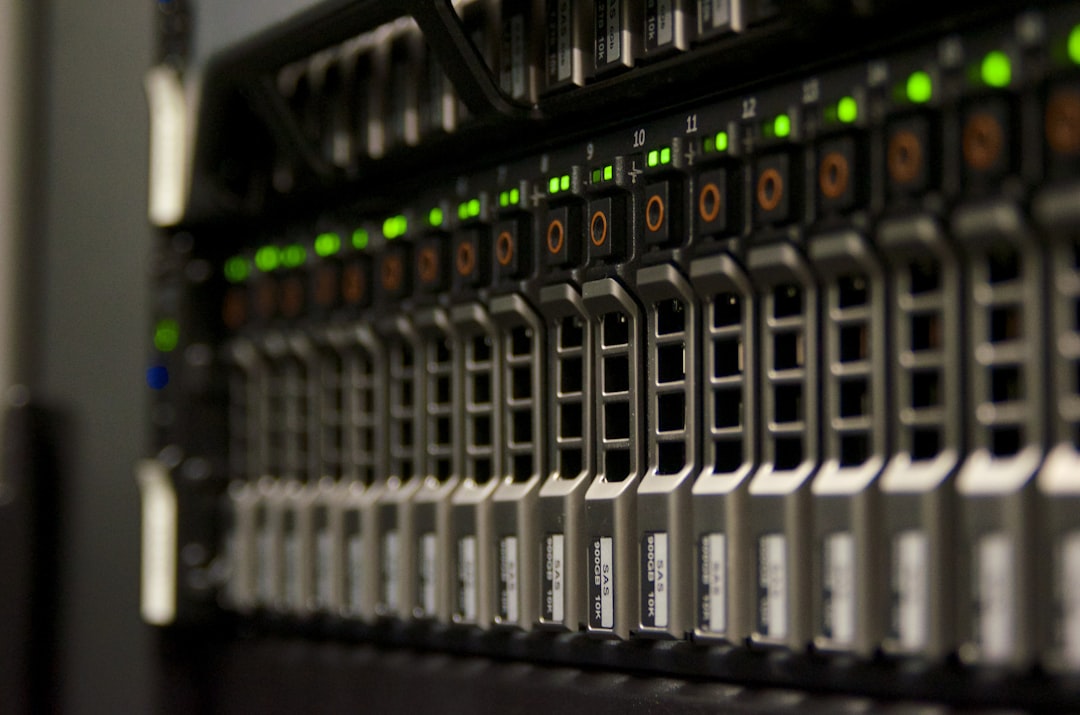
Pro Tip: Request a provider’s Tier certification from the Uptime Institute. Tier III and Tier IV facilities maintain concurrently maintainable and fault-tolerant infrastructure respectively, which matters significantly when a wildfire-related event disrupts a single path of power or cooling.
Battery Technology Adds a New Layer of Internal Fire Risk
Because of their minimal footprint, low cost, and perceived safety, lithium-ion batteries have become increasingly popular in modern data centers. While overheating and thermal runaway threaten both traditional batteries and newer lithium-ion units, lithium-ion’s higher energy density increases the risk. This matters for wildfire risk because external heat from a nearby wildfire can raise battery temperatures inside a facility, even without a direct fire threat.
The consequences are not theoretical. A data center fire in Hillsboro, Oregon, involving burning lithium-ion batteries became a five-hour incident in which fire crews were ultimately forced to abandon direct suppression efforts, containing the perimeter while allowing the battery bank to burn itself out. The thick, toxic smoke and the fire’s resistance to traditional suppression methods highlight a troubling reality: lithium-ion battery fires do not behave like ordinary fires. Ask your provider what battery chemistry they use for UPS systems, and how those batteries are thermally monitored.
How to Evaluate Your Current Provider’s Wildfire Exposure
The Questions to Ask Before You Commit
Hurricane-prone regions, wildfire-susceptible areas, and locations with aging electrical infrastructure require enhanced scrutiny and more robust backup systems to ensure long-term viability and success, according to BDO’s Strategic Guide to Data Center Site Selection. Translating that principle into a practical conversation with a provider means asking the following:
- What is the wildfire hazard classification of your facility’s location, per the USGS or state fire authority?
- Do you have written PSPS response protocols and documented generator runtime at full load?
- How often are air intake filters inspected and replaced, and what is the threshold for increasing replacement frequency during smoke events?
- Has the facility experienced any wildfire-adjacent events (smoke infiltration, PSPS shutoffs, road access disruption) in the past five years?
- What does your SLA explicitly exclude under “natural disaster” or “force majeure” language?
That last question matters more than most customers realize. XDI, a climate risk research firm, addresses only part of the problem; the grid connections, access roads, and surrounding community infrastructure feeding into a facility can become failure points that render even a well-fortified data center inoperable. SLA carve-outs for these systemic failures can leave you with no recourse for very real outage costs.
Geographic Redundancy as Risk Management
Geographic redundancy across physically disparate locations can prevent or avoid extreme weather; the next-best approach is to respond quickly to predictions and give customers as much warning as possible. When customers deploy a geographically distributed data center portfolio, they can quickly move key workloads away from an impacted area to minimize disruption.
For businesses with high uptime requirements, geographic redundancy is not a luxury. Distributing workloads across two facilities in separate fire-risk zones, such as one West Coast facility and one in a lower-risk Midwest or Southeast location, provides meaningful protection against a single regional wildfire disrupting all operations.
At Datacate, the location of hosting infrastructure and the resilience of the facilities supporting it are part of the conversation from the beginning, not an afterthought once contracts are signed.
Pro Tip: AI-era infrastructure carries 2.6 times more physical risk per GW times more physical risk per GW than the existing installed base, according to the AI-era infrastructure carries 2.6 times more physical risk per GW. If your workloads are compute-intensive or AI-adjacent, your exposure to climate-related risk at the infrastructure level is proportionally higher than average, factor that into how much you invest in evaluating providers.
Common Mistakes When Assessing Wildfire Risk
Treating “It Has Not Happened Yet” as Evidence of Safety
In our experience, the most common error businesses make when evaluating hosting risk is treating a provider’s clean historical uptime record as proof of resilience. A facility that has operated in a wildfire-prone area for five years without incident has simply been fortunate during a period when fire conditions may not have been at their most severe. Wildfires outside of the fire season are becoming more common due to climate change and changing weather patterns, which makes historical performance a progressively weaker predictor of future risk.
Relying Only on the SLA Number
We’ve found that customers anchor heavily on uptime guarantee percentages, 99.9%, 99.99%, without reading the exclusion language. A 99.999% SLA that carves out wildfire-related power disruptions, PSPS events, and smoke-related shutdowns offers far less protection than the headline number suggests. Read the force majeure clauses carefully, and if a provider won’t discuss them, treat that as a signal.
Ignoring Supply Chain Recovery Times
Supply chain constraints compound the exposure, with lead times for critical equipment such as switchgear and transformers extending to as long as 80 weeks and 50 weeks, respectively, potentially lengthening recovery times substantially after a significant loss event. Business interruption accounts for almost one-third of total modeled losses, with more than 90% stemming from upstream supply chain disruption rather than direct physical damage. This means even a partial wildfire-related loss can create months-long recovery timelines if replacement equipment isn’t pre-positioned.
Frequently Asked Questions
How does wildfire risk actually affect my hosted website or application?
Wildfire risk translates into hosting disruptions through several pathways: direct fire damage to physical infrastructure; power grid shutoffs ordered by utilities to prevent ignition; smoke and ash degrading cooling systems and triggering protective shutdowns; and burned transmission lines severing power or fiber connectivity. A 2025 fire at South Korea’s National Information Resources Service disabled critical government systems, including the database used to manage life-sustaining treatment decisions for terminal patients, leaving hospitals unable to access directives. A single incident can cause far-reaching disruption.
Should I avoid hosting providers in California or the Western U.S. entirely?
Developers continue to look for opportunities in California despite growing wildfire risks. This shift has occurred, in part, because construction improvements have helped mitigate some environmental risks, and data centers are now designed to be more resilient in fire-prone environments. The answer is not blanket avoidance; it is understanding what specific protections a given facility has in place. A well-hardened, well-located facility in California may carry less operational risk than a poorly maintained facility in a nominally “safer” region.
What does a wildfire incident response plan look like for a data center?
A credible wildfire incident response plan includes pre-established PSPS protocols with documented generator fuel reserves and resupply contracts, air quality monitoring with defined filter replacement thresholds, smoke detection systems calibrated for external particulate events, defensible perimeter maintenance, and a staff continuity plan for evacuation scenarios. Fire-related business continuity mitigation includes deploying state-of-the-art fire detection systems, implementing strict environmental controls, and conducting regular inspections. Ask for the plan in writing and check whether it has been tested in the past two years.
How do I find a data center’s wildfire hazard classification?
The USFS Wildfire Hazard Potential map provides parcel-level hazard assessments across the continental U.S., while FEMA’s National Risk Index layers provide broader composite risk scores. For California specifically, the California Department of Forestry and Fire Protection (CAL FIRE) publishes Fire Hazard Severity Zone maps that classify land by wildfire risk tier. Cross-referencing a provider’s address against these tools takes under ten minutes.
What is the financial exposure if my provider suffers a wildfire-related outage?
More than half of respondents to Uptime Institute’s 2024 annual survey said their most recent significant, serious, or severe outage cost more than $100,000, with one in five saying that their most recent outage cost more than $1 million. For your own business, add lost revenue during downtime, customer churn, SLA credits you may be owed, and the cost of emergency migration to an alternate provider. The sum is almost always larger than the cost of asking better questions before signing a contract.
The Bottom Line
Wildfire risk is a legitimate, quantifiable factor in a hosting decision, and one that most businesses under-evaluate. Proactive adaptation delivers a 30% to 39% risk reduction with positive ROI in every scenario tested, according to the Schneider Electric Research Institute’s climate modeling. The same principle applies at the customer level: spending a few hours assessing your provider’s wildfire exposure and continuity planning can protect months of potential disruption.
Ask the right questions before you commit, read the SLA exclusions, and give serious weight to a provider’s geographic location and documented resilience protocols. Your uptime depends on it.
Explore Datacate’s infrastructure approach and availability commitments at Datacate.
Sources
- First Street Climate Risk Report, First Street Foundation. 79% of global data center capacity faces acute climate hazard exposure. https://www.cnbc.com/2026/06/18/data-center-climate-change-study.html
- Data Center Boom Fuels Rising Fire, Water and Business Interruption Losses, Risk & Insurance / Allianz Commercial. Fire accounts for 50%+ of $800M in claims. https://riskandinsurance.com/data-center-boom-fuels-rising-fire-water-and-business-interruption-losses/
- The Repricing of Compute: Climate Risk and Resilience for AI-Era Capital, Schneider Electric Research Institute. $388B in at-risk asset value across 8,572 facilities. Across 8,572 geocoded facilities
- Annual Outage Analysis 2025, Uptime Institute. Outage cost and frequency data. https://intelligence.uptimeinstitute.com/index.php/resource/annual-outage-analysis-2025
- Biggest IT Outages 2023-2025, Xurrent. $14,056 average per-minute downtime cost in 2024. https://www.xurrent.com/blog/it-outages
- Data Centers and Wildfires, Uptime Institute Blog. Transmission line and fiber cable risks from wildfires. https://journal.uptimeinstitute.com/data-centers-and-wildfires/
- From Incident to Insight: Fire Risk in Modern Data Centers, ScienceDirect / Texas A&M University. Lithium-ion battery thermal runaway and internal fire risk. Due to their minimal footprint
- Data Center Contamination Control: Air Quality Guide 2026, Envigilance. Wildfire smoke infiltration and geographic contamination risk. External environmental factors
- Indoor Air Quality in Data Centers, HibouAir. Wildfire particulate filter overloading and Wells Fargo smoke outage. https://www.hibouair.com/blog/indoor-air-quality-in-data-centers-why-clean-air-is-just-as-important-as-cooling/
- Data Center Site Selection Strategy Guide, Giga Energy. Environmental risk assessment and FEMA wildfire mapping. https://www.gigaenergy.com/blog/data-center-site-selection
- BDO Strategic Guide to Data Center Site Selection, BDO. Wildfire-susceptible areas and backup system requirements. https://www.bdo.com/insights/industries/technology/strategic-guide-to-data-center-site-selection
- Natural Disaster Readiness for Data Centers, Cushman & Wakefield. Defensible perimeter best practices and wildfire zones. https://www.cushmanwakefield.com/en/united-states/insights/natural-disaster-readiness-for-data-centers
- Best Practices for Data Center Risk Mitigation in 2026, Equinix Blog. Wildfire threat assessments as part of regular risk review. Best practices for data center risk mitigation
- Towards Resilient Critical Infrastructure in Extreme Wildfire Events, MDPI. Policy analysis of wildfire risk to critical infrastructure. Climate change is increasing the frequency and intensity of extreme wildfires
- The Data Center Surge Is Here; So Is Wildfire Season, TD World. AI demand straining grid infrastructure in wildfire zones. https://www.tdworld.com/wildfire/blog/55372725/the-data-center-surge-is-here-so-is-wildfire-season
- Hillsboro Oregon Data Center Fire, Singleton Schreiber. Lithium-ion battery fire at a data center facility in Oregon. https://www.singletonschreiber.com/theblog/hillsboro-oregon-data-center-fire-the-growing-threat-of-battery-fires-in-data-centers-and-beyond
- 5 Considerations for Choosing Data Center Locations, Equinix Blog. Geographic distribution and workload mobility strategies. Geographic redundancy across physically disparate locations
- Schneider Electric Press Release: From Risk to Resilience, Schneider Electric. AI-era facilities carry 2.6x more physical risk per GW. AI-era infrastructure carries 2.6 times more physical risk per GW