If you’re running a business in San Francisco, Oakland, or San Jose, you already know the vibe. You’ve got the best talent, the best coffee, and, unfortunately, some of the most stressed-out IT infrastructure in the country. Between the looming threat of the “Big One,” the seasonal anxiety of the wildfire-induced power shutoffs, and the eye-watering cost of real estate, keeping your mission-critical servers in the Bay Area can feel like trying to keep a birthday candle lit in a hurricane.
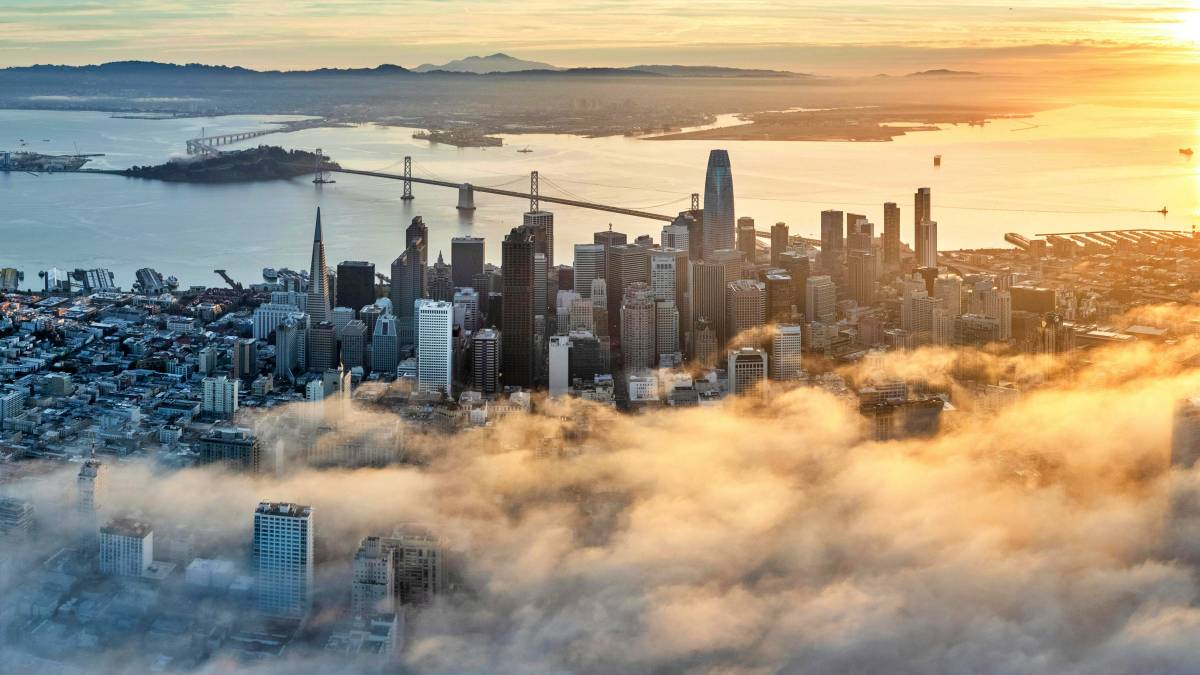
At Datacate, we see it all the time. Companies build stacks to host incredible applications and data pipelines, only to realize their hardware is sitting on a literal fault line or in a building where the power grid is held together by hope and duct tape.
That’s where the “Sacramento Lifeboat” comes in.
We’re talking about Rancho Cordova, a geographic “boring zone” (in the best way possible) that has become the secret weapon for Bay Area companies looking for a reliable, close-but-safe secondary or primary site. Here’s why the smart money is moving its data up I-80.
The Goldilocks Zone: Close, but Not Too Close
In the world of Disaster Recovery (DR), distance is a double-edged sword. If your backup site is in Virginia, your latency is going to be a nightmare, and good luck getting a technician on-site if the world actually ends. If your backup site is in Santa Clara and you’re based in San Francisco, a major seismic event could easily take out both locations at the same time. That’s what we call a “correlated failure,” and it’s the stuff of CIO nightmares.
Rancho Cordova sits in the “Goldilocks Zone.” At roughly 90 to 100 miles from the heart of the Bay Area, we are far enough away to be o]in a completely different tectonic and utility profile, but close enough that your IT team can drive here in under two hours for a hardware swap or an emergency upgrade.
When the Bay Area shakes, Rancho Cordova stays still. When the coastal fog or heatwaves strain the PG&E grid to the breaking point, we’re sitting pretty on the Sacramento Municipal Utility District (SMUD) grid, one of the most reliable and cost-effective utility providers in the nation. It’s the ultimate geographic “lifeboat.”
Seismic Neutrality: The Geological Boring Zone
Let’s talk about the dirt. California isn’t exactly known for being stable, but not all California soil is created equal. The Bay Area is crisscrossed by the San Andreas, Hayward, and Calaveras faults. Meanwhile, Rancho Cordova is widely considered “seismically neutral.”
While there’s no such thing as a 0% risk in California, the risk profile here is significantly lower. This isn’t just our opinion; it’s why the State of California chose this exact region for its primary production data centers. They know that when the big one hits the coast, the state’s digital heartbeat needs to keep thumping in the valley.
By housing your data at Datacate’s Rancho Cordova facility, you aren’t just buying rack space; you’re buying a geographic insurance policy. You’re ensuring that your archive and production systems aren’t sharing the same fate as your headquarters when the earth decides to move.
The “Owned and Operated” Difference
One thing you’ll notice when shopping for data centers is that a lot of “providers” are actually just middle-men. They rent a room from a giant conglomerate, throw their logo on the door, and call themselves a data center.
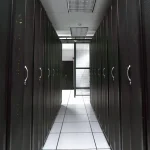
Datacate is different. We own and operate our facility. We own the building, the cooling, and the network.
Why does that matter to a Bay Area tech firm? It matters because when you have a problem at 2:00 AM, you don’t want to deal with a reseller who has to open a ticket with a landlord who then has to call a contractor. You want to talk to the people who have the keys to the building.
Our 24/7 local support isn’t a call center in another country. It’s our team, on-site, ready to act. Whether it’s a simple power cycle or a complex account access issue, you get a human being who actually knows where your rack is located.
Security That Goes Beyond the Firewall
We spend a lot of time talking about AI threats and antivirus software, but physical security is often the “forgotten” pillar of IT. In a standard office building in San Jose, your “server room” might be a closet with a standard lock – maybe with the door propped open because of all the heat buildup.
At our Rancho Cordova facility, we take physical security to an obsessive level. We’re talking:
- Biometric Access: No lost keys or stolen badges. Your thumbprint is your key.
- Man-Traps: Physical entry systems that ensure only one person enters at a time, preventing “tailgating.”
- 24/7 Monitoring: Constant surveillance and on-site staff.
- SOC 2 and HIPAA Compliance: We’ve already done the hard work of undergoing an audit. If your business needs to meet strict regulatory standards, moving to Datacate is like hitting the “Easy Button” for your compliance department.
The Economic Flex: Solving the “Noisy Neighbor” Problem
Many Bay Area companies have fled to the public cloud, only to face “sticker shock” six months later. The “hidden costs” of the cloud: egress fees, API call charges, and the dreaded “noisy neighbor” effect: can kill your margins.
When you use Datacate as your Sacramento Lifeboat, you’re moving to “bare metal” performance. You aren’t sharing a CPU with ten other companies. You get 100% of the performance you paid for, 100% of the time. For high-performance databases, logistics applications, or custom artificial intelligence models, this dedicated performance is a game-changer.
And because we operate in a region with lower utility and real estate costs than the Silicon Valley core, we pass those savings directly to you. It’s often cheaper to colocate your hardware with us than to pay the monthly “rent” for a mid-tier cloud instance that offers half the performance.
Don’t Wait for the Warning Lights
The best time to build a lifeboat is while the sun is still shining. We’ve seen what happens when companies wait until a disaster is imminent to look for a backup site: the panic is real, and the options disappear fast.
Whether you need a secondary site for disaster recovery or you’re looking to exit the high-cost Bay Area data center market entirely, Datacate’s Rancho Cordova facility is ready. We offer the stability of the valley, the speed of local ownership, and the security of a world-class facility.
Ready to see the “Lifeboat” for yourself?
We love showing off the “boring” geography and the very exciting technology we have here in Rancho Cordova. If you’re tired of the high costs and high risks of coastal infrastructure, let’s talk. We’ll show you how a move to Datacate can help you and your servers finally get a good night’s sleep.
Check out our facility page for more technical specs, or reach out to the team today to schedule a tour. Your data will thank you.